In colder climates and higher elevations, winter changes how the body regulates energy, hydration, and recovery.
Cold constricts blood vessels. Dry air increases fluid loss. Reduced daylight shifts circadian rhythm and immune coordination. Outdoor activity and travel amplify inflammatory demand.
Research shows immune function shifts seasonally in northern regions — often becoming more reactive during winter months.
Resilience during this season is not about “boosting” the immune system; it’s about supporting it. Your immune system is a coordinated network. It depends on circulation, sleep, nervous system balance, metabolic stability, and recovery. When those systems are supported consistently, immune resilience improves.
At Everwild, we approach winter immune health as a practice built on three pillars:
- Circadian regulation
- Functional nourishment
- Thermal contrast
Circadian Rhythm and Immune Function
Sleep and light exposure directly influence immune coordination. According to peer-reviewed research, light exposure is a primary regulator of circadian rhythm and hormone production, including melatonin and cortisol. In winter at northern latitudes, light exposure becomes especially important.
Morning Light
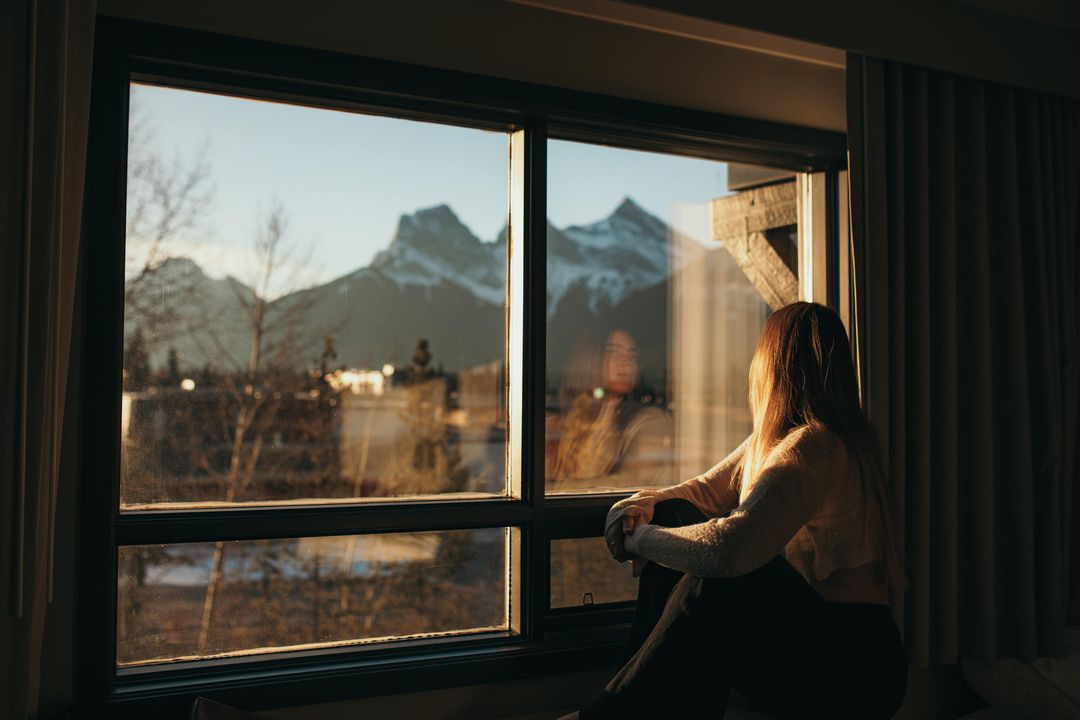
Within 30 minutes of waking, step outside, even briefly. Natural light anchors the circadian rhythm, which supports immune timing and sleep quality.
Protect Sleep
Sleep deprivation has been shown to reduce natural killer cell activity and impair key immune responses, increasing susceptibility to infections (research shows). Consistent sleep timing — especially during winter — is one of the most effective natural ways to support immune strength and resilience.
Pro Tip: Thermal contrast practiced earlier in the day may support deeper rest at night.
Fuel for Resilience
Immune cells require energy, amino acids, micronutrients, and hydration. Winter increases those demands. At Rhythm & Howl and the Elements Lounge, winter menus contain some of the elements below to reflect seasonal physiology, warming, mineral-rich, and steady.

Ginger and Turmeric
Contain bioactive compounds studied for anti-inflammatory and antioxidant effects. Used consistently as part of a balanced diet, they support circulatory and digestive function.
Garlic
Contains allicin, associated with antimicrobial properties in research settings.
Root Vegetables
Carrots, beets, squash, and parsnips provide fibre and phytonutrients that support gut health. A significant portion of immune activity is coordinated through the gut-associated lymphoid system, making digestive stability foundational.
Protein
Antibodies and immune cells are built from amino acids. Balanced protein intake — from legumes, fish, or regionally sourced meats — supports tissue repair and immune defense.
Hydration in Cold Climates
Mountain air can cause increased fluid loss, even when you don’t feel sweaty. Warm broths and water-rich foods help maintain hydration without adding additional cold stress to the body.
Thermal Contrast and Immune Resilience
Thermal contrast therapy (alternating heat, cold, and rest) creates controlled physiological stress. In biology, this process is known as hormesis: small stressors that strengthen the body over time.
Sauna and Immune Function
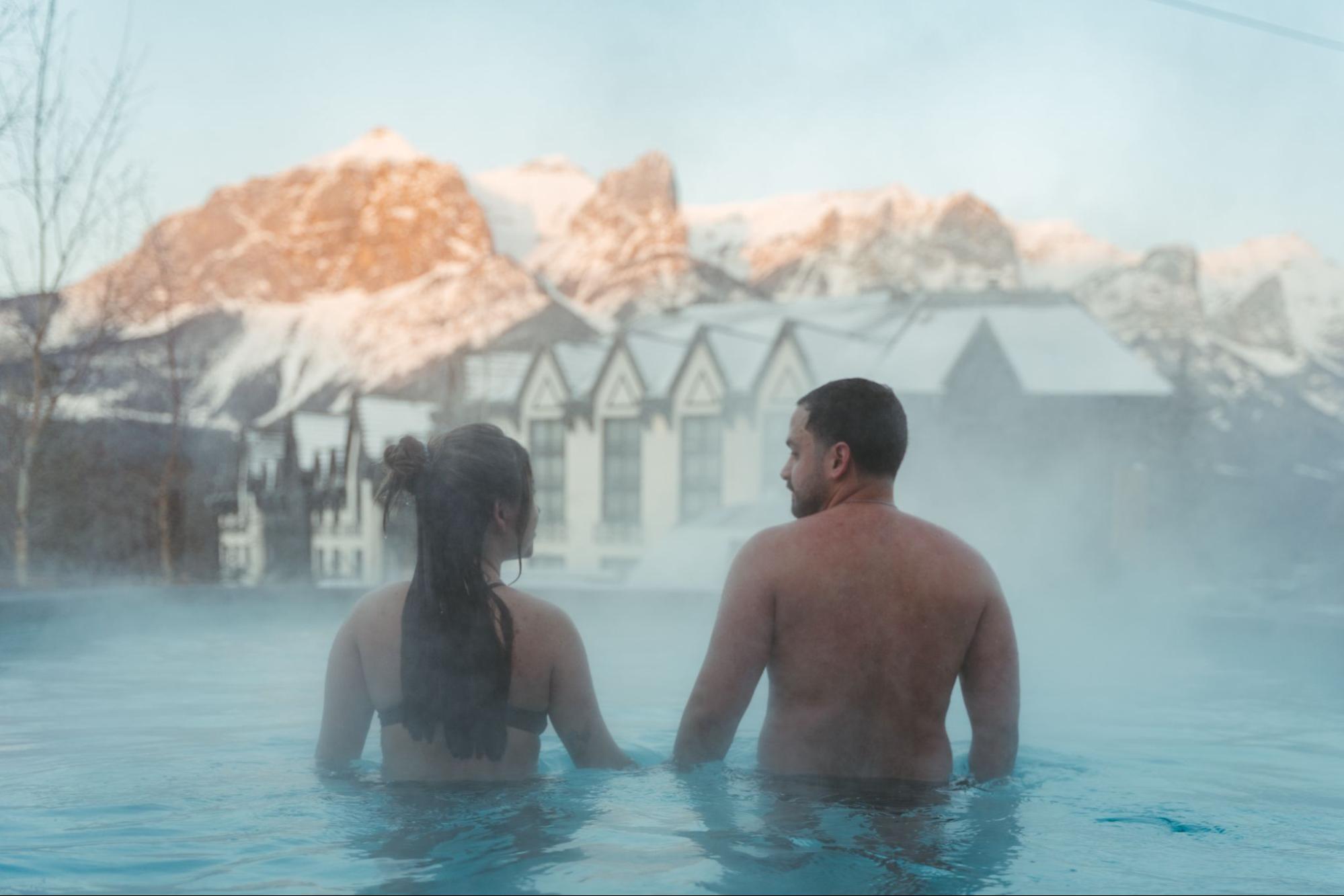
Sauna bathing temporarily raises core body temperature and heart rate, creating a gentle, short-term stress on the body that supports circulatory and immune-related processes (as heat causes a physiological response similar to moderate exercise) (research shows).
Research on regular sauna use has shown associations with:
- Improved circulation
- Activation of heat shock proteins that support cellular repair
- Increased white blood cell activity
- Reduced risk of certain respiratory illnesses
The key factor is frequency. Consistent moderate exposure appears more beneficial than occasional extremes. This is one of the documented benefits of sauna for immune function: adaptive training rather than short-term stimulation.
Cold Exposure and Immune Response
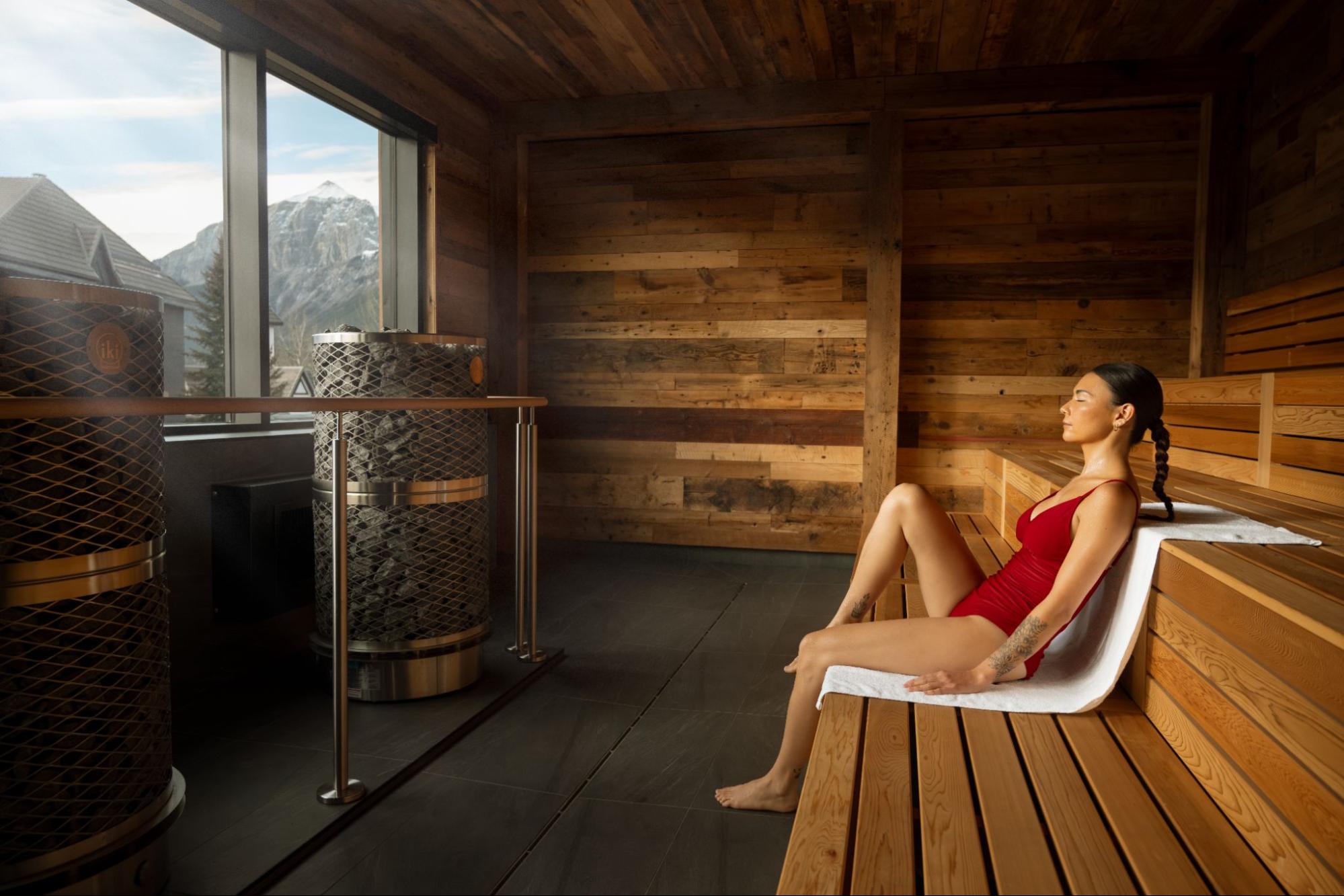
Brief cold exposure — such as a cold plunge or ending a shower with cold water — stimulates norepinephrine release and increases vascular tone.
Studies suggest controlled cold exposure may:
- Increase circulating leukocytes (white blood cells)
- Improve stress tolerance
- Support inflammatory regulation
When heat and cold are alternated, blood vessels dilate and constrict repeatedly. Over time, this vascular training improves circulatory efficiency — a key component of immune resilience.
The Role of Rest
The rest phase of thermal contrast is essential. Chronic stress impairs immune coordination. Alternating heat and cold with intentional recovery supports autonomic balance — the body’s ability to shift efficiently between activation and calm.
Thermal contrast therapy supports the immune system by respecting the full cycle: stress, recovery, and adaptation.
Resilience Is Built in Rhythm
Immune health is not built through intensity. It is built through repetition.
Heat. Cold. Rest. Nourish. Sleep. Repeat.
Resilience develops through steady exposure, supportive meals, shared spaces, and environments that support the nervous system’s recovery. Everwild is not a sanctuary that removes you from the world, but a communal space that helps you better handle it.
Sources
- Protecting the Melatonin Rhythm through Circadian Healthy Light Exposure via PubMed Central (NIH)
- Partial night sleep deprivation reduces natural killer and cellular immune responses in humans via PubMed Central (NIH)
- Get Your Sweat On: The Benefits of a Sauna via The Cleveland Clinic