Mental health isn’t shaped by a single practice. It’s shaped by time with people you trust, and the space to truly unwind and connect.
In Denmark, this idea is reflected in the concept of hygge. It is often described as comfort or coziness, but those details sit on the surface. At its core, it is about an undivided presence. Time spent together without distraction, without urgency, and without the need to turn it into anything more.
Across the Nordic countries, this way of thinking appears again and again. The World Happiness Report consistently ranks Denmark, Finland, Norway, and Sweden among the happiest and most mentally resilient populations in the world, despite long winters and limited daylight. What stands out is not the conditions, but how people move through them together.
Rather than separating wellbeing into routines or individual strategies, Nordic cultures have built it into everyday life. Connection, time outside, and shared experiences are not treated as additions. They are the foundation of the culture.
Wellbeing Is Built Through Shared Experience
Much of the conversation around mental health in North America tends to focus on what individuals can do on their own. Practices, habits, and personal routines all have value, but they are not the full picture.
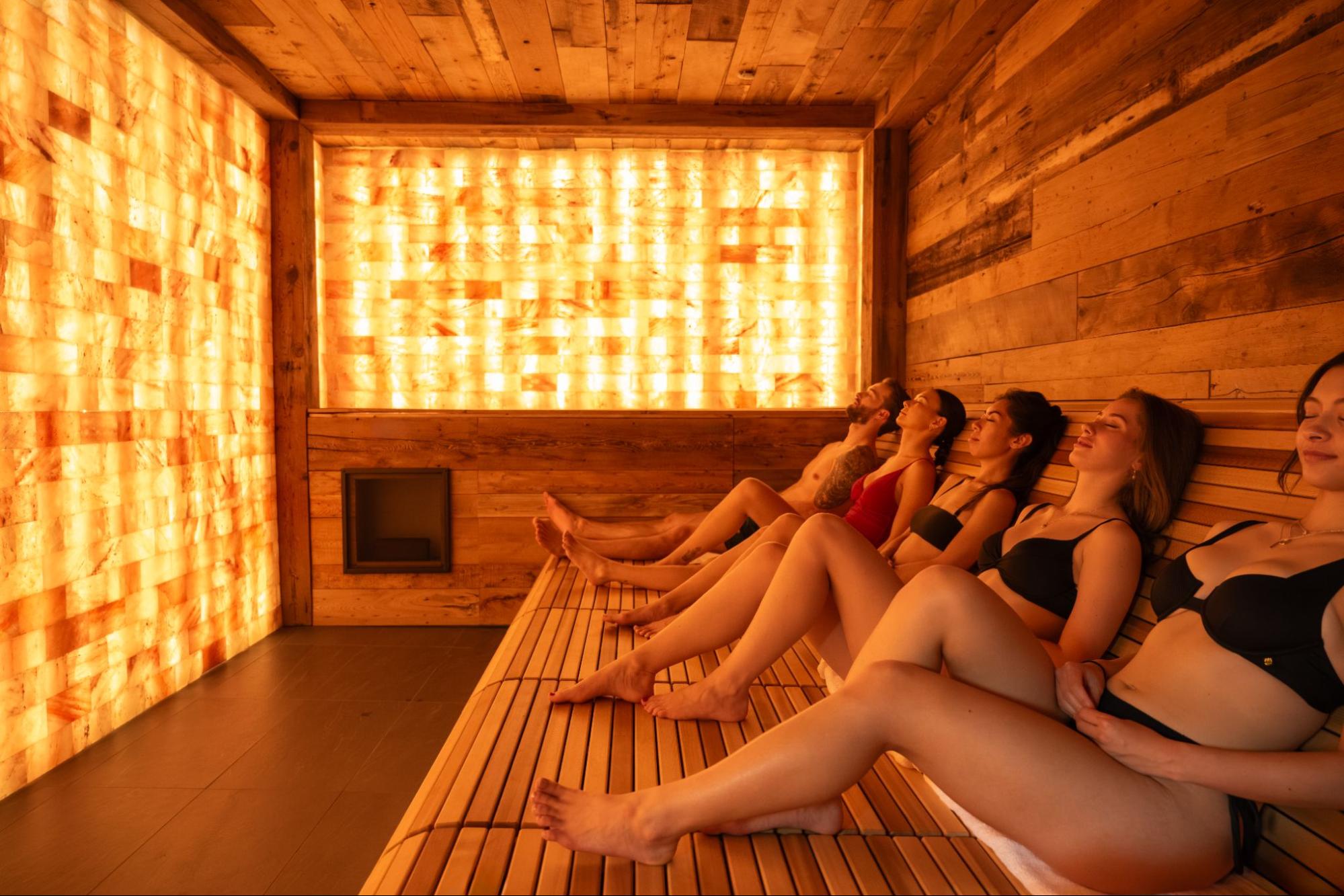
Research continues to show that social connection plays a measurable role in supporting mental wellbeing. Spending time in close proximity to people you trust can help regulate stress responses and create a sense of stability that is difficult to replicate alone. This is not just emotional. It is physiological.
Nordic cultures have long reflected this in how they spend their time. Experiences are shared, and that shared time carries weight.
The Role of Sauna in Finnish Culture
The Finnish sauna is often seen as a place to relax, but its role has always extended further. Historically, it served as a setting for important conversations and as a place where people gathered without the usual distinctions of daily life. The environment fostered a sense of equality and openness, making it easier to connect and unwind.
The physical experience of heat also plays a role. As the body settles into the temperature, there is a natural shift in attention. Distractions fall away, and the pace slows. This creates space for conversation, reflection, or simply sitting in quiet alongside others.
Research has highlighted the physical benefits of sauna use, including improved cardiovascular health and associations with longevity. A long-term Finnish study found that frequent sauna use was linked to a significantly lower risk of all-cause mortality.
These findings help explain part of the impact, but they do not fully capture it. The cultural role of sauna as a shared space remains just as important. It is not only the heat, but the time spent together within it that shapes the experience.
Friluftsliv and Time Spent Outdoors
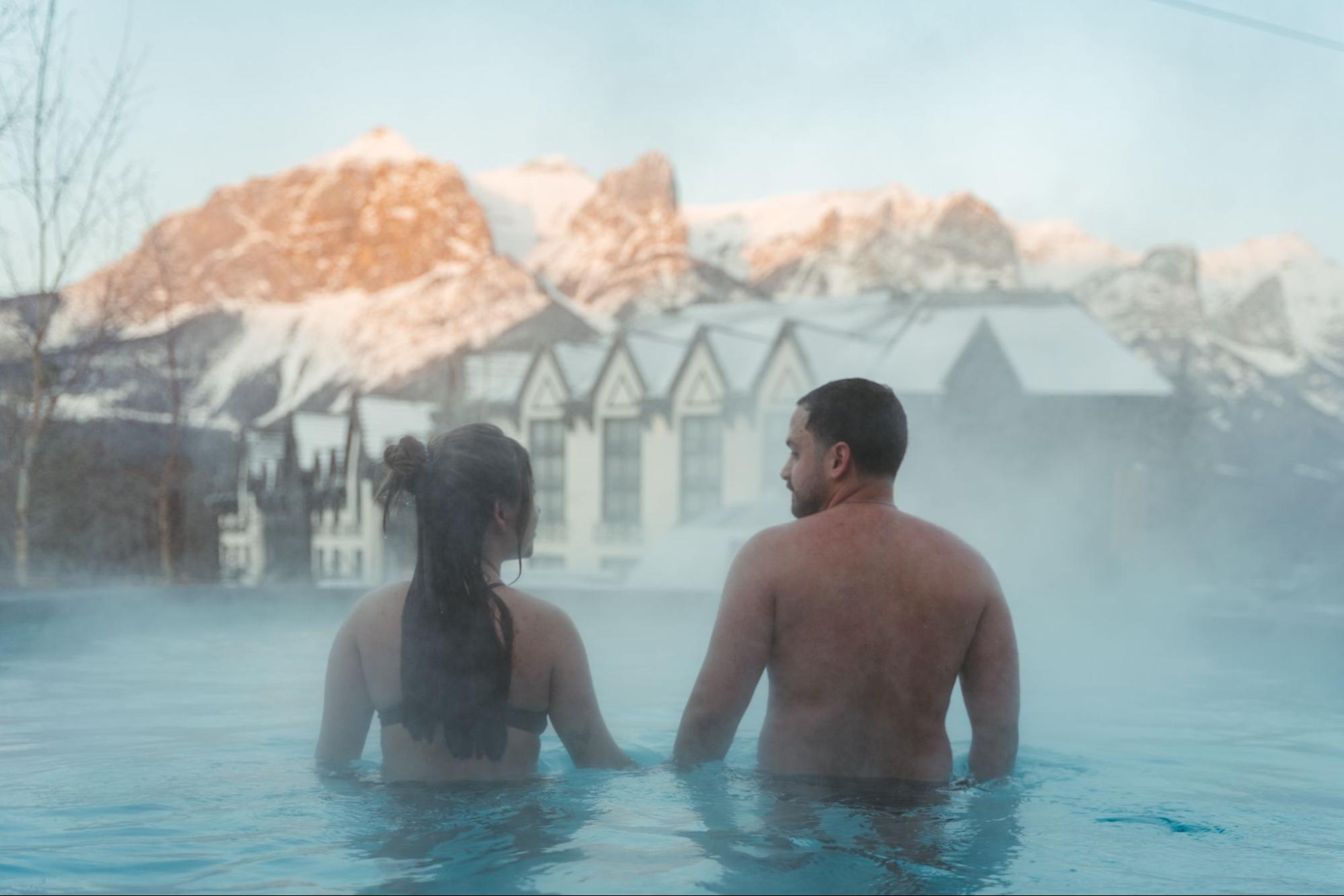
In Norway, the concept of friluftsliv reflects a belief that time spent outdoors is essential to overall wellbeing. It is not framed as an exercise or a performance. It is simply part of daily life.
This approach removes pressure and allows nature to be experienced more consistently. Whether conditions are mild or challenging, being outside is seen as not only beneficial but essential.
Scientific research supports this perspective. Time in natural environments has been shown to reduce cortisol levels, improve mood, and restore attention. These effects can be felt even after short periods outdoors and tend to build with regular exposure.
Within Nordic cultures, this understanding is not treated as a trend. It is a baseline. Being outside is something that happens regularly, often in the company of others, and contributes to a steady sense of balance.
Hygge and the Value of Presence
The Danish concept of hygge is often associated with comfort, but its core meaning is rooted in presence. It reflects the act of spending time with others in a focused, undistracted way.
The environment can support this, but it is not the primary factor. What matters is the quality of attention and the ability to be fully engaged in the moment.
This idea reinforces a broader pattern seen across Nordic cultures. Wellbeing is not built through intensity or complexity. It is shaped through consistent, shared experiences that allow people to feel connected.
How These Ideas Come Together
At Everwild Canmore, these cultural principles inform the overall experience. The focus is not on introducing something new, but on creating the conditions that allow these patterns to take shape.
The experience is shaped by how people move through it together. Spaces are intentionally shared rather than private, allowing connection to unfold naturally without being forced. Time is spent outdoors in the mountain air, regardless of the weather, while the atmosphere carries a quiet sense of warmth created as much by the people as the setting itself.
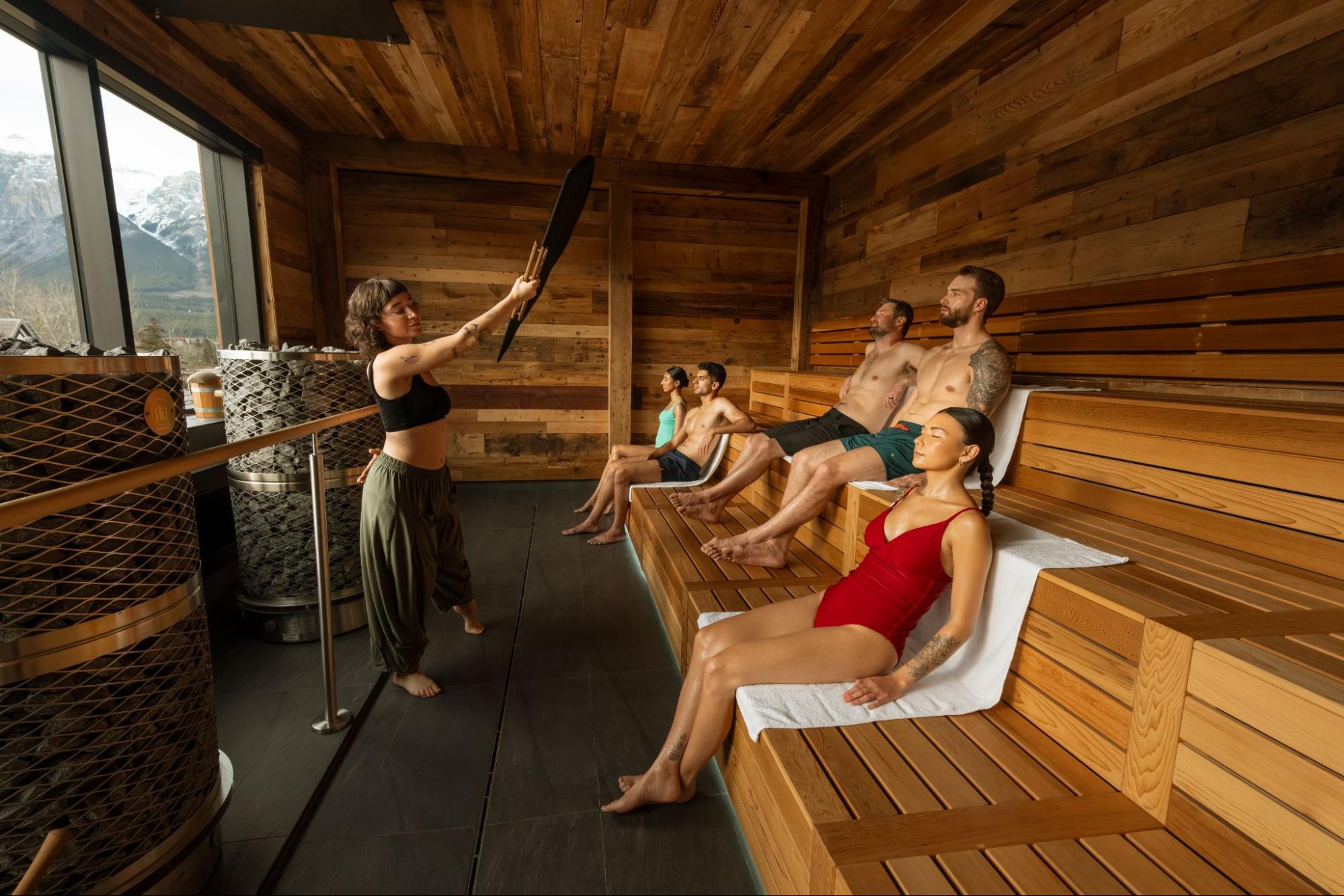
Time in the sauna often leads to conversation or quiet presence alongside others, and moving between spaces creates natural pauses where nothing is expected beyond simply being there. In this way, the experience reflects the same underlying ideas found in Nordic traditions, where wellbeing is supported through environment, rhythm, and connection.
A Shared Approach to Resetting
Taking time to reset is often approached as something done individually, but the Nordic perspective offers a different view. Resetting becomes more effective when it happens alongside others, within an environment that supports both rest and connection.
This does not require a complex system. It relies on access to spaces where people can slow down, spend time together, and step outside of daily demands. Over time, these shared experiences help create a more consistent sense of balance.
This Mental Health Awareness Month, the focus returns to a simple idea. Supporting your mental wellbeing does not always mean doing work on your own. It can begin with something as small as setting aside time and inviting someone into it.
Book your visit on Monday, Tuesday, or Wednesday between May 1–27, 2026 and enjoy up to $100 off spa day passes for two.
Offer Details:
- Valid Monday–Wednesday, from 9:00 AM to 3:30 PM, throughout May, 2026
- Savings vary by time slot (up to $100 off for two guests)
- May 18 excluded
- Cannot be combined with any other offer
It doesn’t need to be a big plan. Just a date—and someone to bring with you.
Sources
The Risks of Social Isolation via American Psychological Association
Association Between Sauna Bathing and Fatal Cardiovascular and All-Cause Mortality Events via Pub Med Central / National Library of Medicine
Associations Between Nature Exposure and Health via PubMed Central / National Library of Medicine
The World Happiness Report Rankings via World Happiness Report