A cold plunge can look intimidating from the edge of the pool.
You may wonder how cold it will feel, how long you are supposed to stay in, or whether everyone else somehow knows a breathing technique you missed. The good news is that your first plunge does not need to be extreme to feel meaningful.
At Everwild Canmore, cold immersion is one part of a broader thermal experience. Guests move between warm pools, saunas, steam rooms, cold water, and quiet places to rest, so each stage of the circuit offers something different.
This guide to cold plunging for beginners covers what to expect, how to approach the experience calmly, and common mistakes that can make a first plunge harder than it needs to be.
What is a Cold Plunge?
A cold plunge is a brief immersion in cold water, often after a sauna, steam room, or warm pool, and is followed by rest.
This movement between heat and cold is known as contrast or thermal therapy. At Everwild Canmore, guests can explore the circuit at their own pace.
Research into cold-water immersion is still developing, so broad health claims should be approached carefully. For more on cold immersion and rest, read The Science of Stillness: How Cold Plunge Therapy Supports Better Sleep.
For your first plunge, keep the goal simple: notice the temperature, observe your response, and move through the experience at a steady pace.
What Does Your First Cold Plunge Feel Like?
The first few seconds are often the most intense.
Cold water can trigger a quick inhale, faster breathing, and an increased heart rate, known as the cold-shock response. Entering with control and keeping your first immersion brief can make the experience more manageable.
You may feel tingling, a strong urge to step out, or a sudden sense of alertness. The goal is not to eliminate your reaction, but to meet it calmly without turning the plunge into a test of endurance.
How Long Should a Beginner Stay in a Cold Plunge?
There is no universal time every guest needs to reach.
Start with a brief immersion and step out before you feel overwhelmed. Even a few controlled breaths may be enough, and you can always return for another round later.
Research shows that your ideal duration depends on the water temperature, your experience, your health, and how you feel that day. More time is not automatically better.
Pay attention to your breathing, coordination, and comfort. Leave promptly if you feel dizzy, faint, confused, unusually numb, or unable to control your breathing.
How to Prepare for Your First Cold Plunge
Warm Up First
Spend time in a warm part of the thermal circuit before approaching the cold pool. A sauna, steam room, or warm soak creates the contrast that defines a thermal circuit.
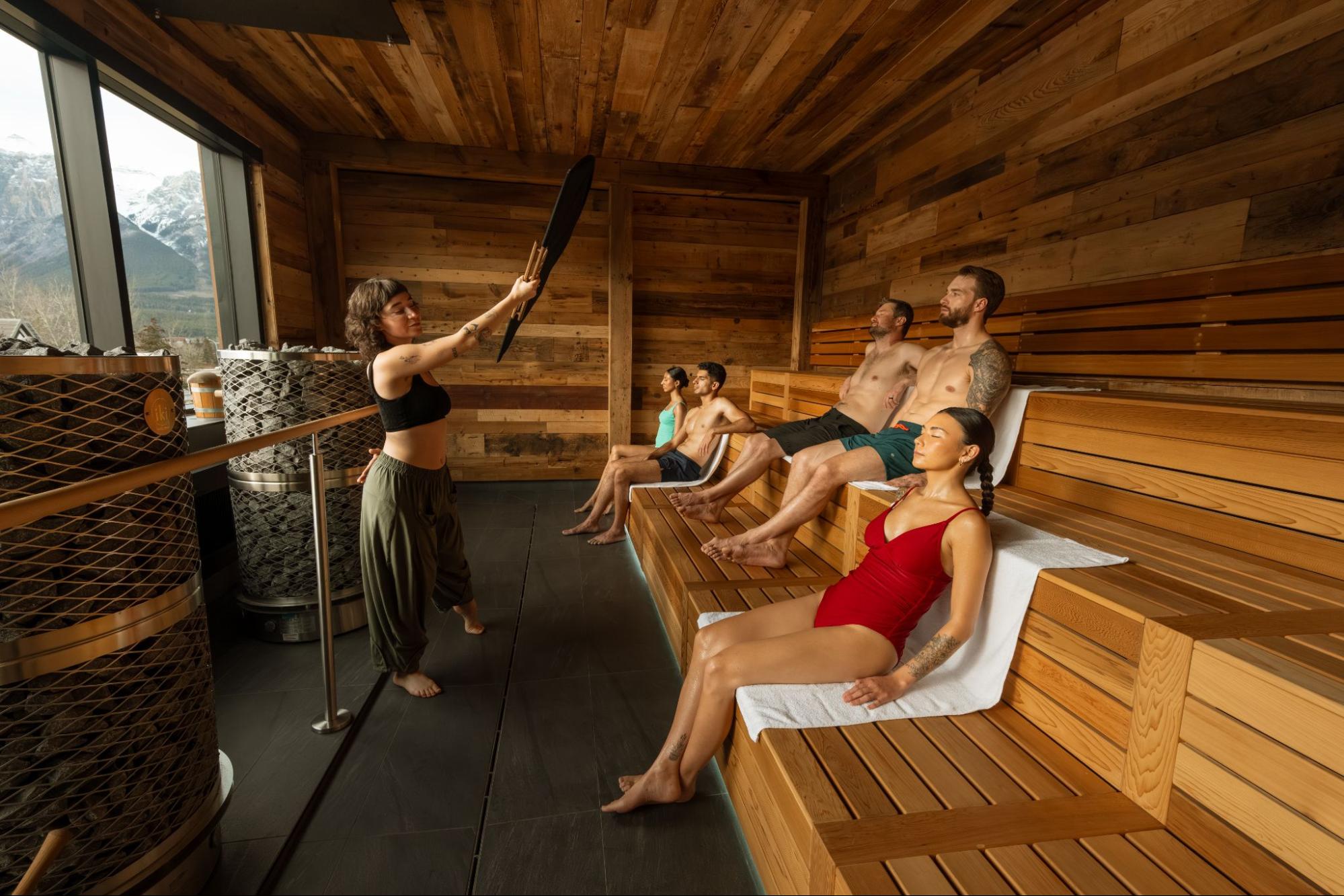
You do not need to stay in the heat until you feel exhausted. Move on while you still feel comfortable and steady.
Enter with Control
Use the steps or handrail and enter deliberately. Jumping or rushing in can intensify the initial shock and make it harder to settle your breathing.
Pause at a depth that feels manageable. Your first plunge does not need to include fully submerging your shoulders or head.
Focus on a Slow Exhale
Your first instinct may be to gasp or hold your breath. Instead, focus on a long, steady exhale and allow your breathing to settle naturally.
These three breathing techniques can help you quiet the panic and ease into the cold:
- Box Breathing
Breathe in for 4 seconds, hold for 4 seconds, breath out for 4 seconds, hold again for 4 seconds. Repeat this four times before you step into the plunge.
- Psychological Sigh
Quickly inhale twice through the nose, then one long, slow exhale through the mouth. Repeat this 2-3 times right before entering the cold plunge.
- Slow Nasal Breathing
Breathe in through the nose for 5 seconds, out through the nose for 7 seconds, then repeat this as you enter and settle into the water.
Avoid hyperventilation, prolonged breath holds, or competitive breathing practices in or around the water. Studies suggest that breath-holding in water can increase the risk of losing consciousness and should not be combined with cold immersion.
Step Out Before it Becomes a Struggle
Cold plunging is not a competition. You do not earn a better experience by ignoring your body’s signals.
A calm, short immersion is more useful than staying until you are shaking heavily or desperate to get out. You may become more familiar with the sensation over time, but duration should not be the only measure of progress.
Make Time to Rest
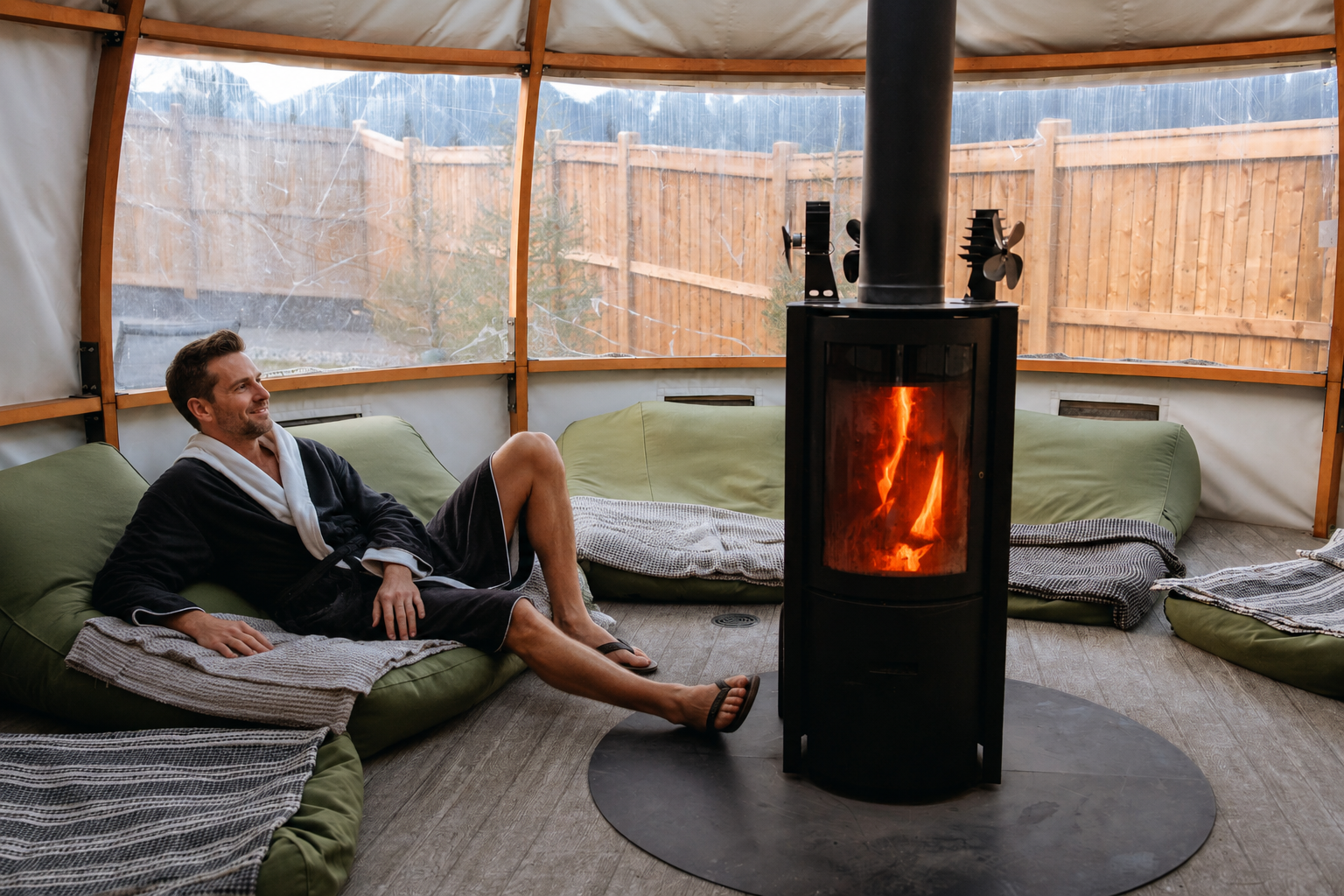
Once you step out, dry off, put on a robe, and allow your body to warm gradually in a relaxation area or tempered (slightly warmer) pool.
Rest is not simply an empty pause between the hot and cold stages. It gives you time to notice how you feel before deciding whether to repeat the circuit. New to the full circuit? Explore what a Nordic Spa Day looks like at Everwild Canmore.
Health Benefits of the Cold Plunge
Emerging studies suggest that cold-water immersion may offer several physical and mental benefits. Early evidence points to reduced muscle soreness after exercise, increased alertness and focus, improved mood, and better sleep quality for some people. Preliminary research is also exploring whether regular cold exposure may support immune function.
For many guests, the effects can feel more immediate: a cold plunge may bring a sharp sense of clarity and energy, followed by a deeper feeling of calm during the rest stage. While results vary from person to person and research is still evolving, the combination of recovery, alertness, and contrast can make the cold plunge one of the most memorable parts of the thermal circuit.
Who Should Speak with a Healthcare Professional First?
Cold immersion creates a rapid cardiovascular and respiratory response. Research recommends that anyone with a heart condition, blood-pressure concerns, circulation issues, a history of fainting, or another significant medical condition should seek personalized medical guidance before trying it.
Research also recommends that pregnant guests and anyone uncertain about whether cold exposure is appropriate for them should also consult a qualified healthcare professional.
Cold plunging may not be suitable for everyone, and a spa experience should never replace medical care. Guests should review Everwild’s latest spa guidance and speak with the on-site team about any health, accessibility, or experience questions before entering the circuit.
Make the Cold Plunge Part of a Summer Spa Day
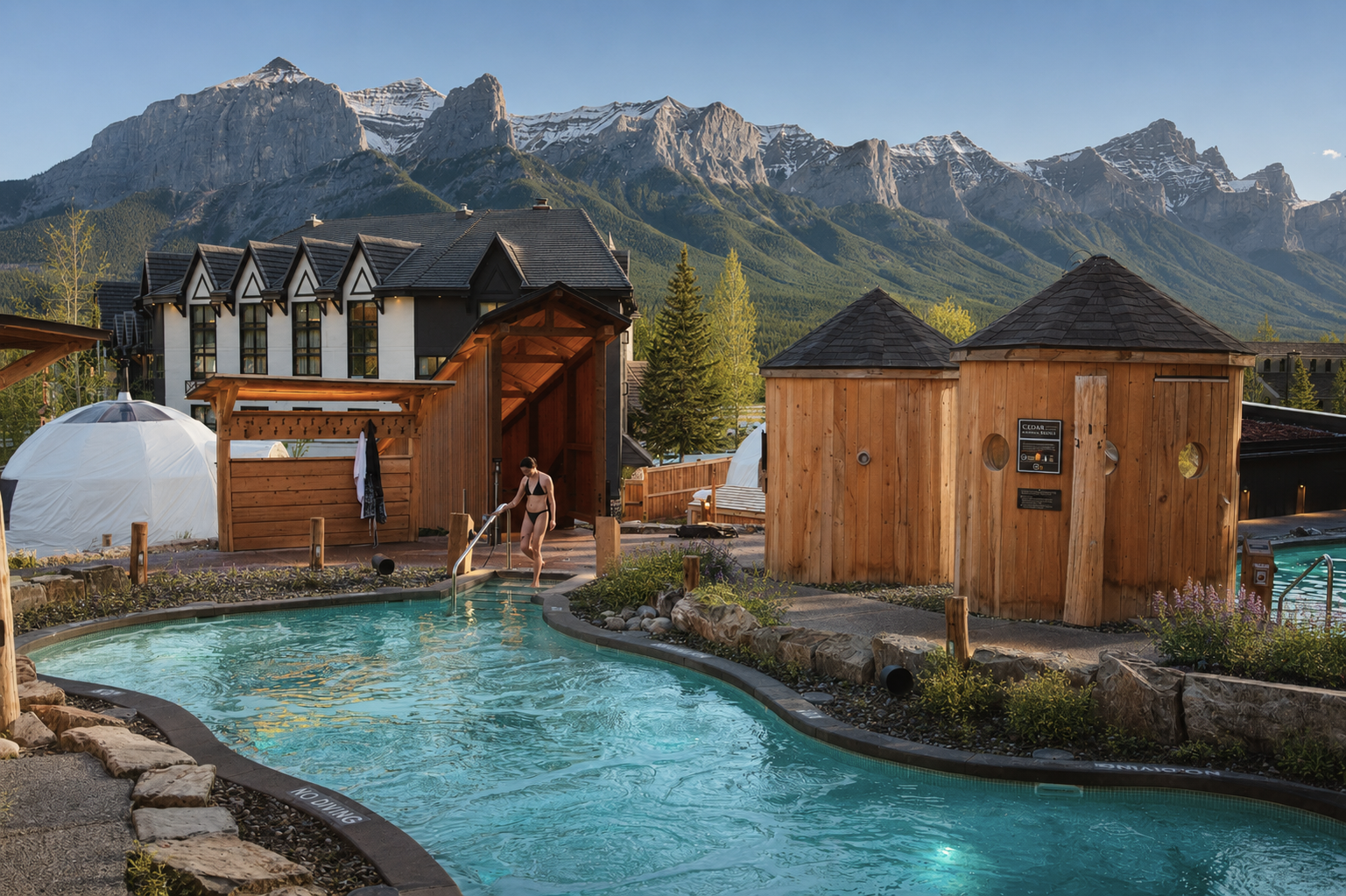
On a warm July afternoon, a cold pool can feel especially inviting, but it works best as one element of a slower experience.
Begin with heat. Enter the cold water with control. Rest somewhere quiet. Repeat the circuit only when it feels right.
You can also build a longer Everwild Canmore visit around a massage or body treatment. Review the latest treatment and spa-access details before booking so you can plan the right combination for your day.
There is no perfect circuit and no prize for completing the most rounds. Your first visit is an opportunity to become familiar with the elements and find a pace that leaves you feeling grounded rather than drained.
Your First Plunge Starts at Everwild Canmore
The hardest part is often the moment before you enter.
Once you stop thinking of the cold plunge as a challenge to conquer, it can become something quieter: a brief encounter with temperature, attention, and change.
Start small, breathe naturally, and let your first experience be exactly that—a first experience.
Explore Everwild Canmore’s current offers and plan a summer spa day shaped around warmth, cold, and unhurried rest.
Sources
Respiratory Responses to Cold Water Immersion via PubMed
Cold Water Immersion: Kill or Cure? via PubMed
Shallow Water Blackout via National Center for Biotechnology Information
Effects of Cold-Water Immersion on Health and Wellbeing: A Systematic Review and Meta-Analysis via PubMed
Cold-Water Immersion for Preventing and Treating Muscle Soreness After Exercise via Cochrane Library and PubMed
The Plunge Into Cold Water Comes With Risks via American Heart Association
The Effect of Cold Water Swimming on Obstetric Outcomes via PubMed
Are ‘Cold Plunge’ Ice Baths Good for You? via Cleveland Clinic