There’s a subtle moment that tends to happen when you step outside, especially into a natural environment. Without really noticing when it starts, your body begins to settle. Your breathing becomes slower and deeper, your muscles release some of the tension you were holding, and your thoughts feel a little less crowded.
What’s interesting is that you didn’t actively try to relax. You didn’t change your mindset or follow a routine. You simply changed your environment. That shift isn’t just a feeling, it’s a physical response happening inside your body.
Your nervous system is constantly scanning your surroundings for signals of safety or stress. Natural environments, light, open space, organic movement, send cues that tell your body it can relax. So instead of staying in a state of alertness, your system begins to regulate itself without you having to think about it.
Research shows that time spent in natural environments triggers measurable biological changes in the body. Stress hormones decrease, heart rate stabilizes, and the nervous system begins to regulate itself more efficiently.
Sunlight: The Fastest Way to Shift Your Mood
Sunlight is one of the most direct ways your body understands what’s happening around you.
When natural light enters your eyes, it doesn’t just help you see—it signals your brain to adjust hormone production. One of the key changes is an increase in serotonin, a chemical that plays a major role in stabilizing mood and helping you feel more balanced.
Studies show that exposure to natural light can increase serotonin levels and improve overall mood and energy.
At the same time, sunlight helps reset your circadian rhythm, which is essentially your body’s internal clock. This clock controls when you feel alert, when you feel tired, and how well you sleep.
What makes this powerful is how quickly it works. Within minutes of being in natural light, your body starts adjusting. That’s why even a short walk outside can leave you feeling clearer and more awake.
It’s not just that sunlight feels good.
It actively tells your body how to function.
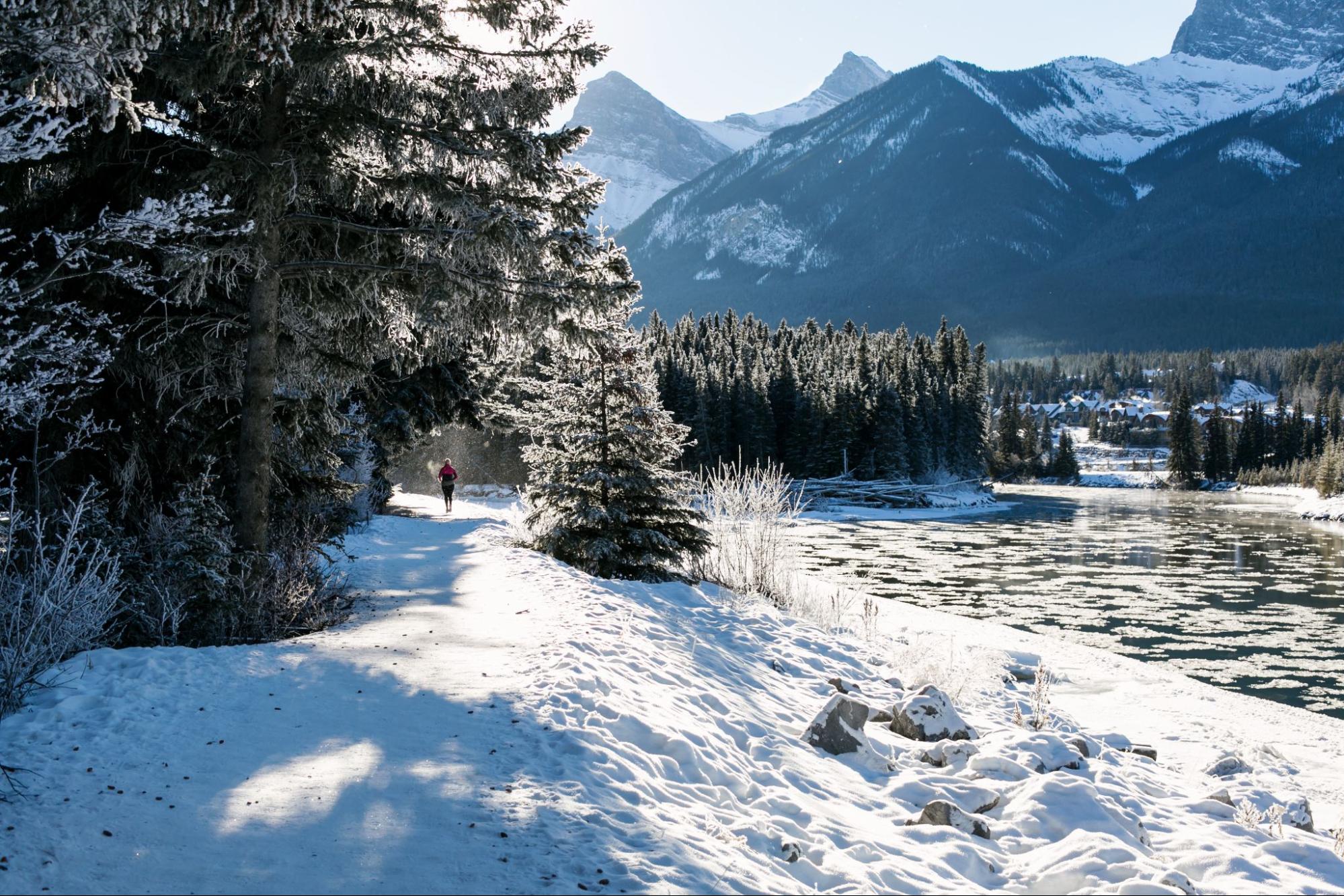
Forests: How Your Nervous System Resets Itself
When you move into a forest environment, the effect becomes deeper and more sustained.
Your body shifts into what’s called the parasympathetic state, which is the mode responsible for recovery, digestion, and repair. This is the opposite of the stress-driven state most people spend a lot of time in.
In simple terms, your body moves from “on edge” to “at ease.” Studies show that spending time in forested environments can lower cortisol (your primary stress hormone), reduce blood pressure, and improve overall mood.
There’s also something happening that most people don’t realize. Trees release natural compounds into the air called phytoncides. When you breathe them in, your body responds by increasing certain immune cells that help protect you from illness.
Studies show that exposure to these compounds can boost natural killer (NK) cell activity, which plays a role in immune defense.
In simple terms, spending time in a forest may help your immune system become more active and efficient. What makes this especially interesting is that the effect isn’t limited to the time you’re there. Some studies suggest that this increase in immune activity can last for days after exposure.
This helps explain why time in dense, natural environments often feels more restorative than other outdoor settings. It’s not just the quiet or the scenery, it’s the combination of reduced stress and subtle biological support happening at the same time.
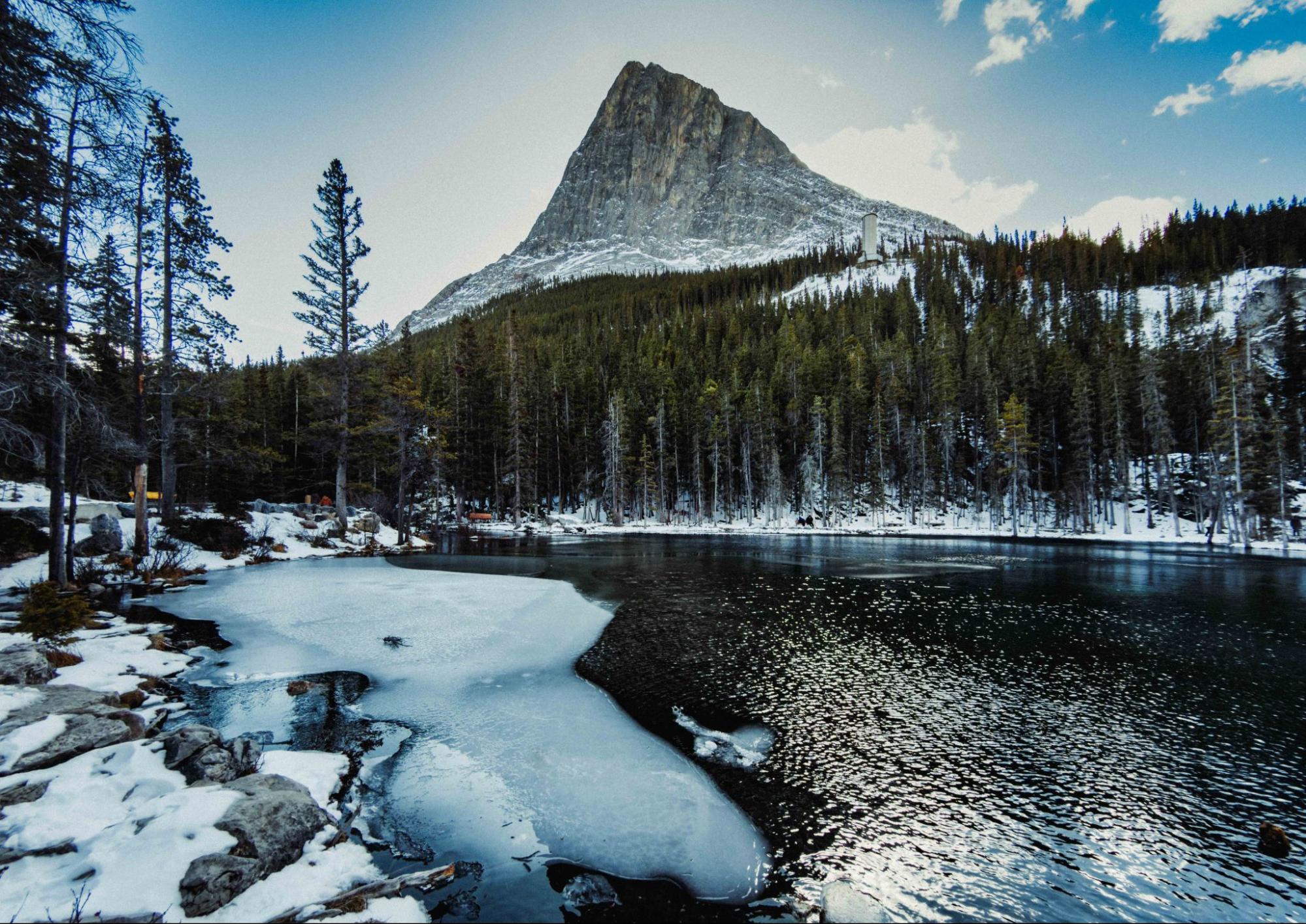
Mountains: Why the Effect Feels Stronger Here
Mountain environments tend to amplify all of these effects. One reason is visual. In everyday environments, your brain is constantly processing close-up details, screens, buildings, movement, noise. In the mountains, your field of view expands. You’re looking at large, open spaces, which gives your brain fewer things to actively manage.
This allows your attention to reset, which is why people often describe feeling clearer or more focused after spending time in natural landscapes. Studies show that exposure to natural environments can improve cognitive function and reduce mental fatigue.
There are also physical differences that matter. The air is typically cooler and cleaner, which can make breathing feel easier and more refreshing. Sound levels are lower, which reduces the constant background stimulation your brain is used to filtering out.
All of this combines to create an environment where your body doesn’t have to work as hard to process what’s happening around you.
That’s why the shift can feel stronger in the mountains.
Your system has less to manage, so it can finally slow down.
Why It All Works Together
Each of these elements—sunlight, forests, and mountains—affects your body in a different way.
Sunlight triggers chemical changes that influence mood and energy. Forests help regulate your nervous system and support recovery. Mountains reduce sensory overload and give your mind space to reset.
On their own, each one creates a noticeable shift. Together, they layer on top of each other.
This is why certain places feel more restorative than others. It’s not just that you’re outside, it’s the combination of signals your body is receiving all at once.
Your system is responding exactly the way it was designed to.
Why It Feels Different in Canmore
There’s a reason people are drawn to mountain places like Canmore, even if they don’t always have the words for it.
It’s not just the views or the sense of getting away. It’s the way these environments bring together the exact conditions your body responds to best, natural light, open space, fresh air, and a noticeable drop in noise and stimulation.
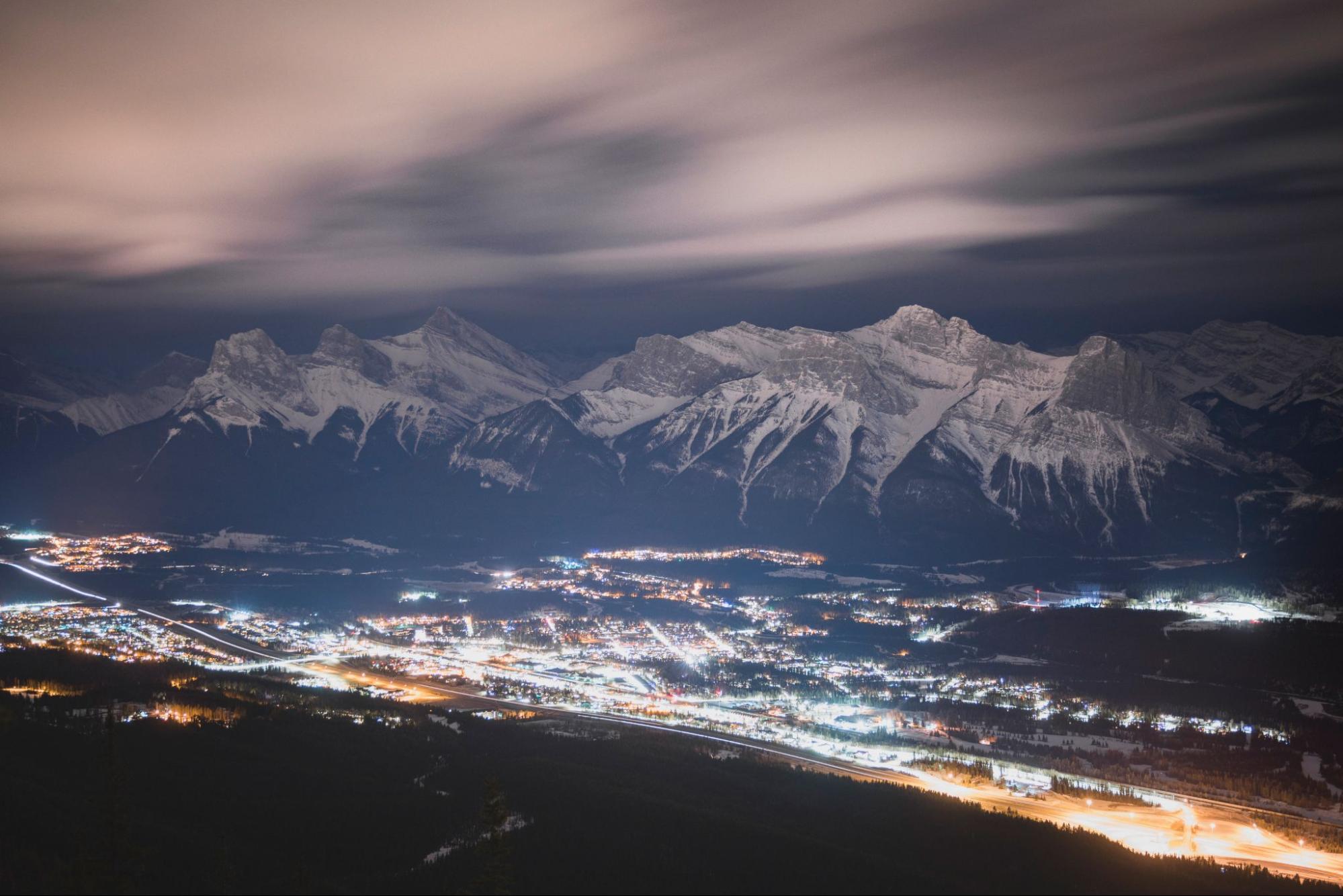
In Canmore, that combination happens naturally. You move between light, forest, and mountain space without needing to think about it, and that’s what makes the shift feel so immediate. It’s not something you have to create. It’s already happening around you.
What’s often overlooked is that this feeling doesn’t have to stop when you step away from the outdoors.
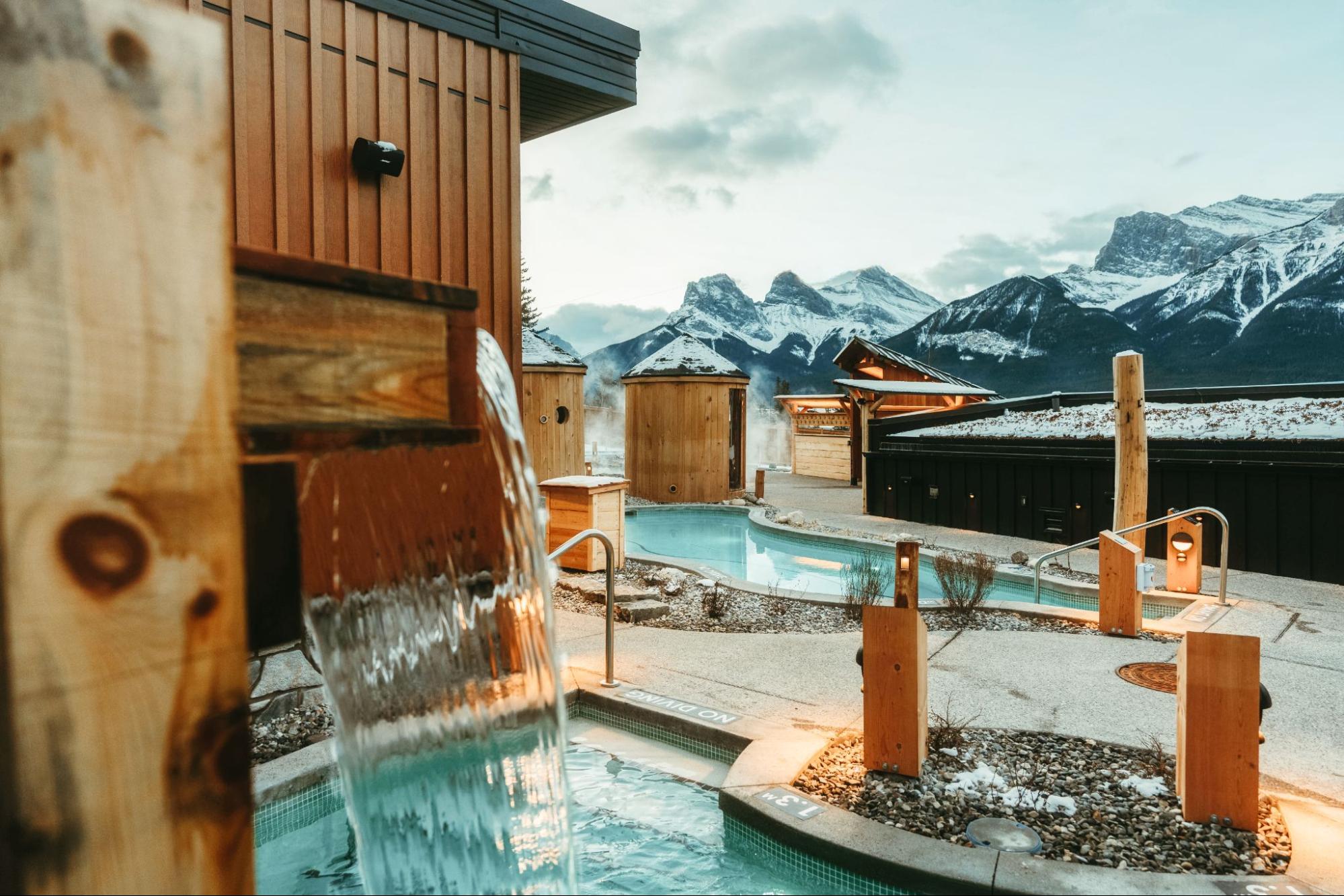
When spaces are designed with the same principles, contrast, stillness, temperature, and time, they allow your body to continue that same pattern of regulation. Moving between heat and cold, activity and rest, stimulation and quiet, your system continues to settle instead of snapping back to baseline.
At Everwild Canmore Nordic Spa & Hotel, that transition feels seamless. Time spent outside carries into spaces designed for recovery, and into the way you rest, eat, and move throughout your stay. It’s not a separate experience from nature, but an extension of it.
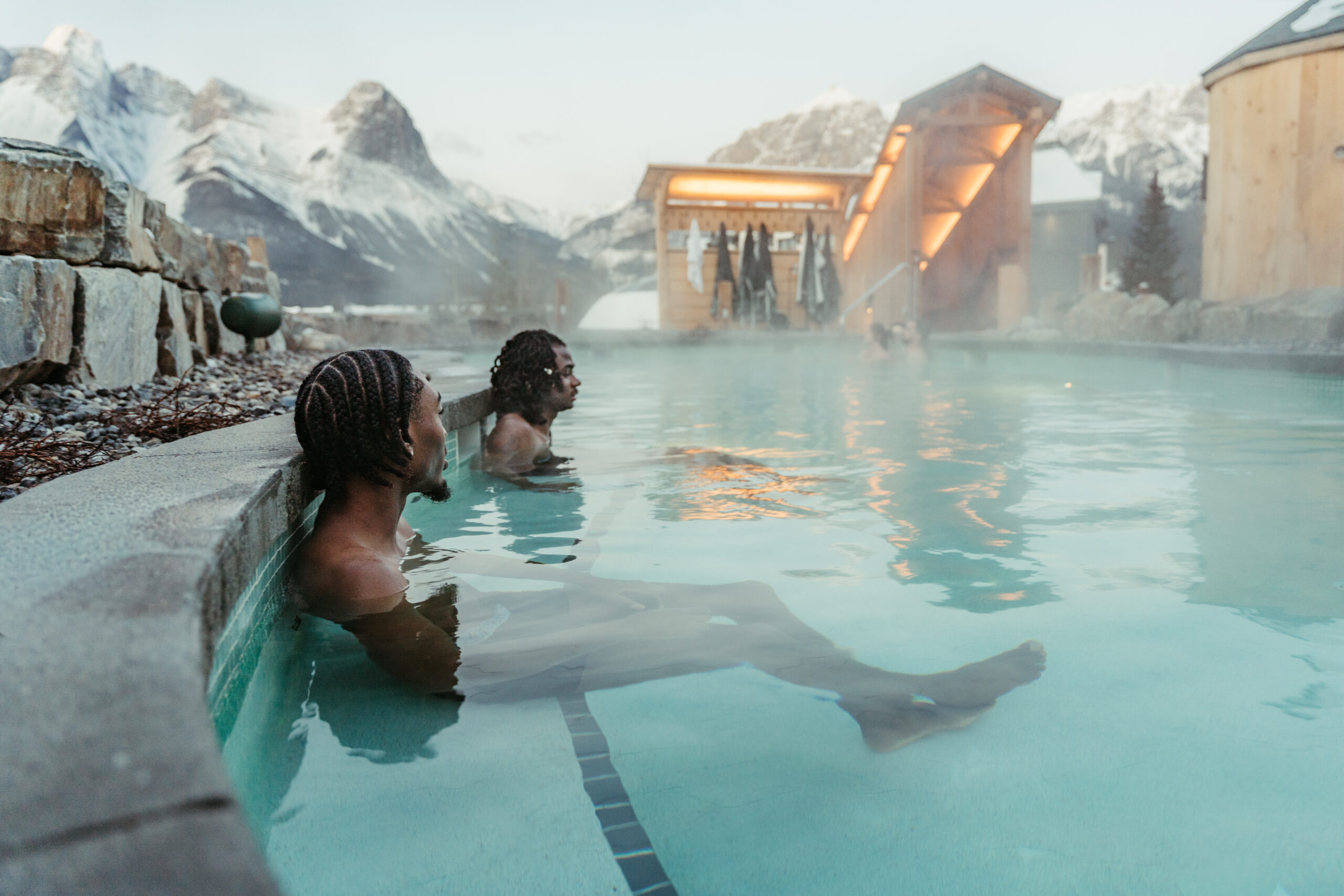
That’s what “feeling better” is really built on. Not a single moment, but a series of conditions that support your body from the outside in.
And in the right place, that process doesn’t end when you go indoors. It continues.
Sources
Nature Experience Reduces Rumination and Subgenual Prefrontal Cortex Activation via Proceedings of the National Academy of Sciences
Sunshine, Serotonin, and Skin: A Partial Explanation for Seasonal Patterns in Psychopathology? via PubMed
Effect of Sunlight and Season on Serotonin Turnover in the Brain via PubMed Central
Effect of Forest Bathing Trips on Human Immune Function via PubMed Central
Does Visual Contact with Nature Impact on Health and Well-Being? Via PubMed Central