March sits in an in-between moment.
Winter still lingers in the mountains, but the light changes. The sun sets later. Snow begins to soften in the afternoon. The air carries the first subtle signs that the season is shifting.
For many people, this time of year brings a strange mix of emotions – low energy paired with restlessness. You might feel tired, unfocused, or suddenly eager to get outside and move again.
If late winter makes you feel unsettled, there’s a reason. Seasonal transitions affect the body in real, measurable ways – and understanding those shifts can help you move into spring feeling more balanced.
Why Late Winter Affects Your Energy
Throughout winter, reduced daylight changes how the brain regulates mood and sleep.
Research shows that sunlight helps regulate serotonin, a neurotransmitter that influences mood, focus, and emotional balance. During darker months, serotonin levels may decrease, which can contribute to fatigue and low mood.
Studies suggest that at the same time, the body produces more melatonin – the hormone responsible for sleep. Because melatonin rises in response to darkness, shorter days can increase sleepiness and reduce daytime energy.
By the time March arrives, daylight is increasing again. Your internal clock begins adjusting back toward longer, more active days.
That adjustment period can create a temporary sense of restlessness as the body transitions between winter’s slower rhythm and the renewed energy of spring.
The Science Behind Seasonal Transitions
Seasonal changes influence the body’s circadian rhythm – the internal system that regulates sleep, hormones, and energy levels.
Light exposure plays one of the most important roles in this process. Research shows that as daylight increases in late winter and early spring, the brain begins recalibrating circadian rhythms and hormone production.
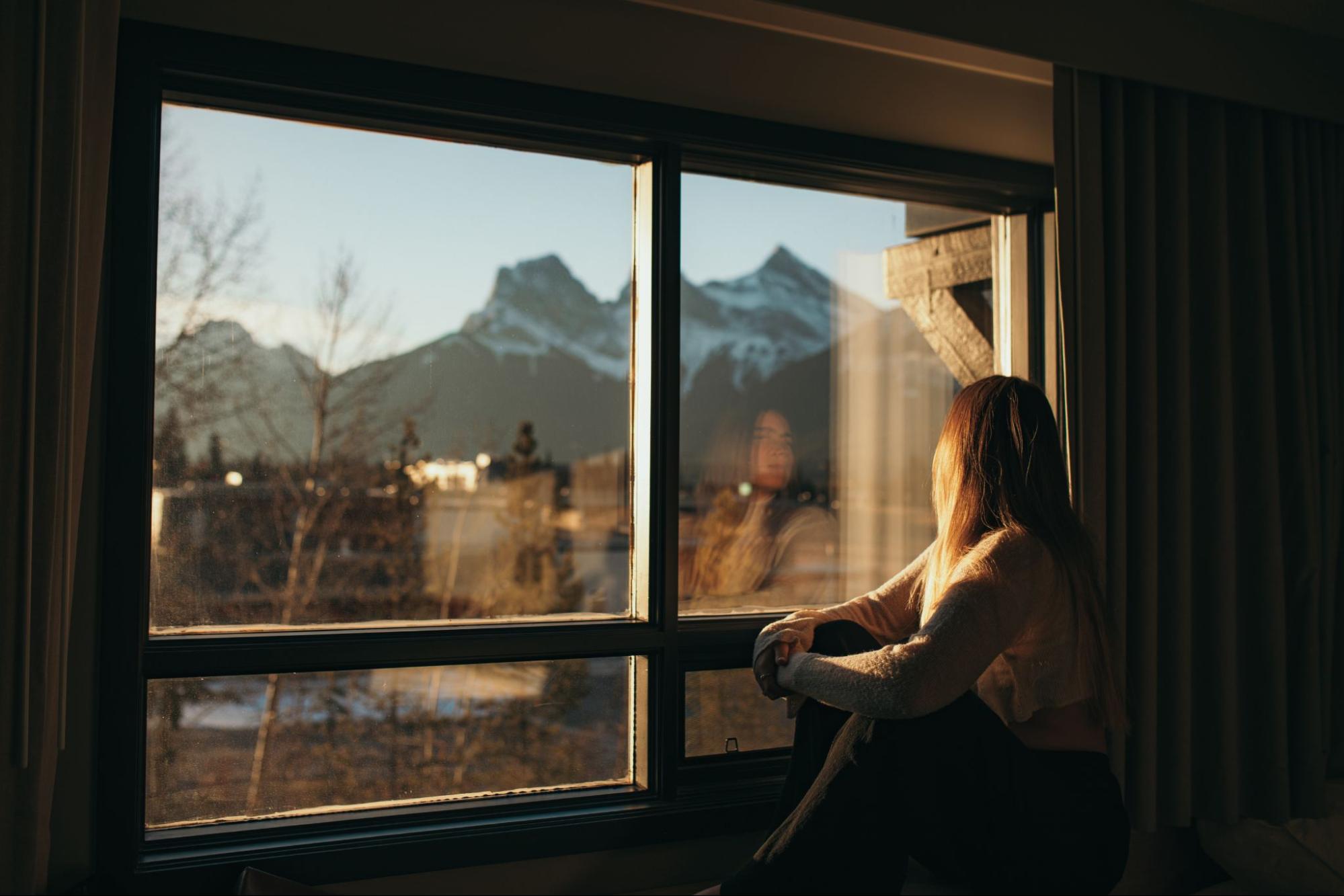
While this shift eventually boosts mood and energy, the transition itself can feel disorienting. Many people experience:
- Changes in sleep patterns
• Increased mental restlessness
• A desire to move or spend more time outdoors
• Fluctuations in mood or motivation
These responses are a natural part of seasonal adaptation.
Rather than resisting the shift, supporting the body through movement and recovery can make the transition feel smoother.
The Importance of Movement in Late Winter
By March, many people feel an instinctive urge to get outside again.
Longer daylight hours naturally encourage more activity, and even small amounts of outdoor movement can have a positive effect on mood and energy.
Research consistently shows that spending time outdoors and engaging in physical activity can help regulate stress hormones, improve mood, and support mental wellbeing.
In mountain communities like Canmore, late winter offers the perfect opportunity to reconnect with outdoor movement while snow conditions still allow for winter adventures.
Skiing, snowshoeing, and winter hiking provide both physical activity and exposure to daylight – two factors that help the body adjust as the seasons shift.
Recovery After Winter Activity
While outdoor activity boosts energy and mood, the body also benefits from intentional recovery.
After months of skiing, hiking, or winter sports, muscles and joints often carry accumulated fatigue. Recovery practices help restore circulation, reduce inflammation, and allow the nervous system to relax.
Heat therapy – such as sauna bathing – is proven to increase blood circulation through vasodilation, allowing more oxygen and nutrients to reach muscles.
Studies show that cold exposure can also support recovery. Cold-water immersion has been shown to reduce inflammation and assist with post-exercise muscle recovery.
Alternating between heat and cold stimulates circulation and helps the body move from a state of physical stress into recovery.
Creating a Spring Reset Ritual
Seasonal transitions are a natural moment to pause and reset.
In Nordic wellness traditions, the changing of seasons is often marked by simple rituals that balance stimulation and rest. One of the most well-known practices is the thermal cycle – a rhythm of heating the body, cooling it down, and resting between each stage.
Research shows that alternating heat and cold encourages blood vessels to dilate and constrict, which improves circulation and may support overall cardiovascular and muscular recovery.
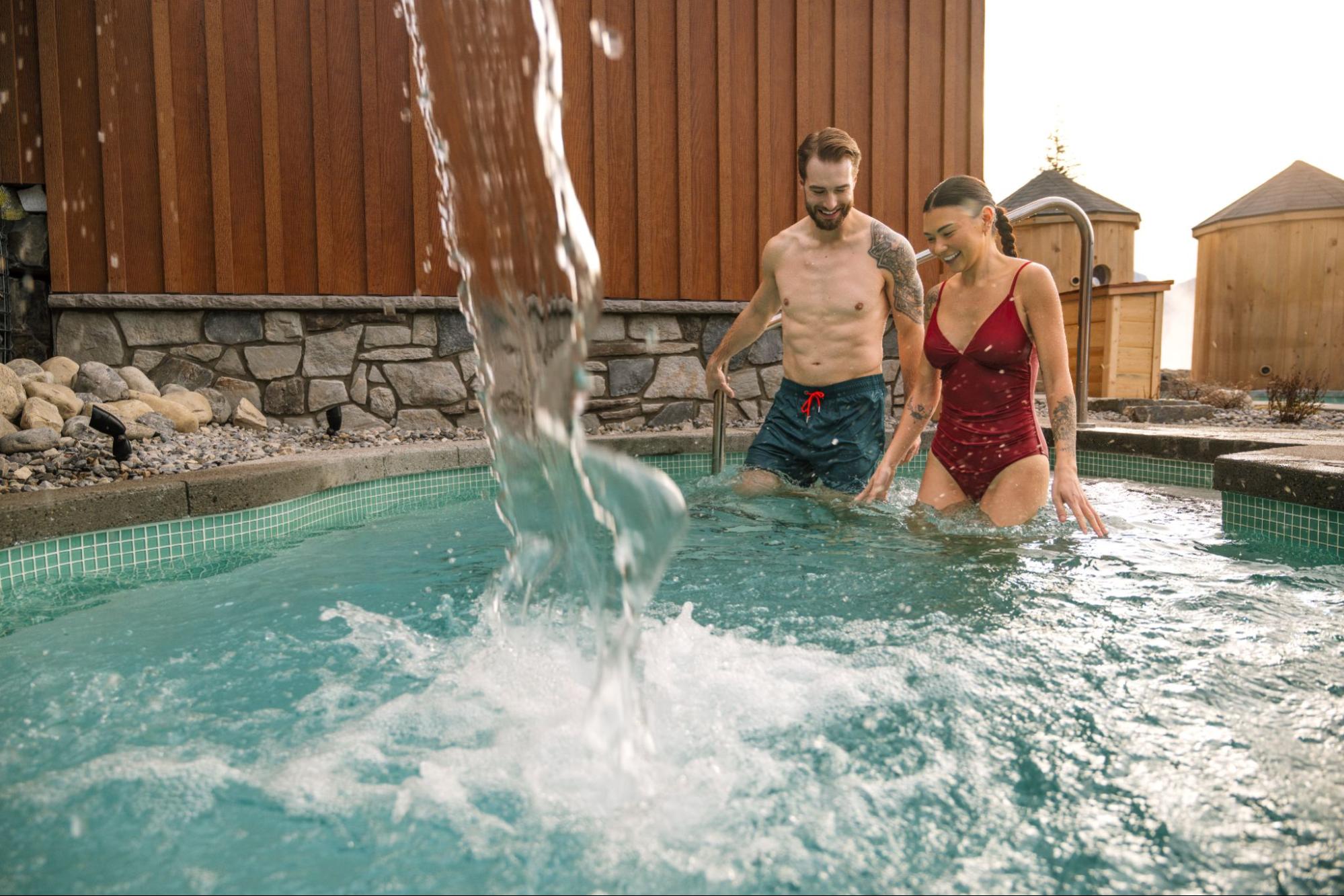
A simple spring reset ritual might include:
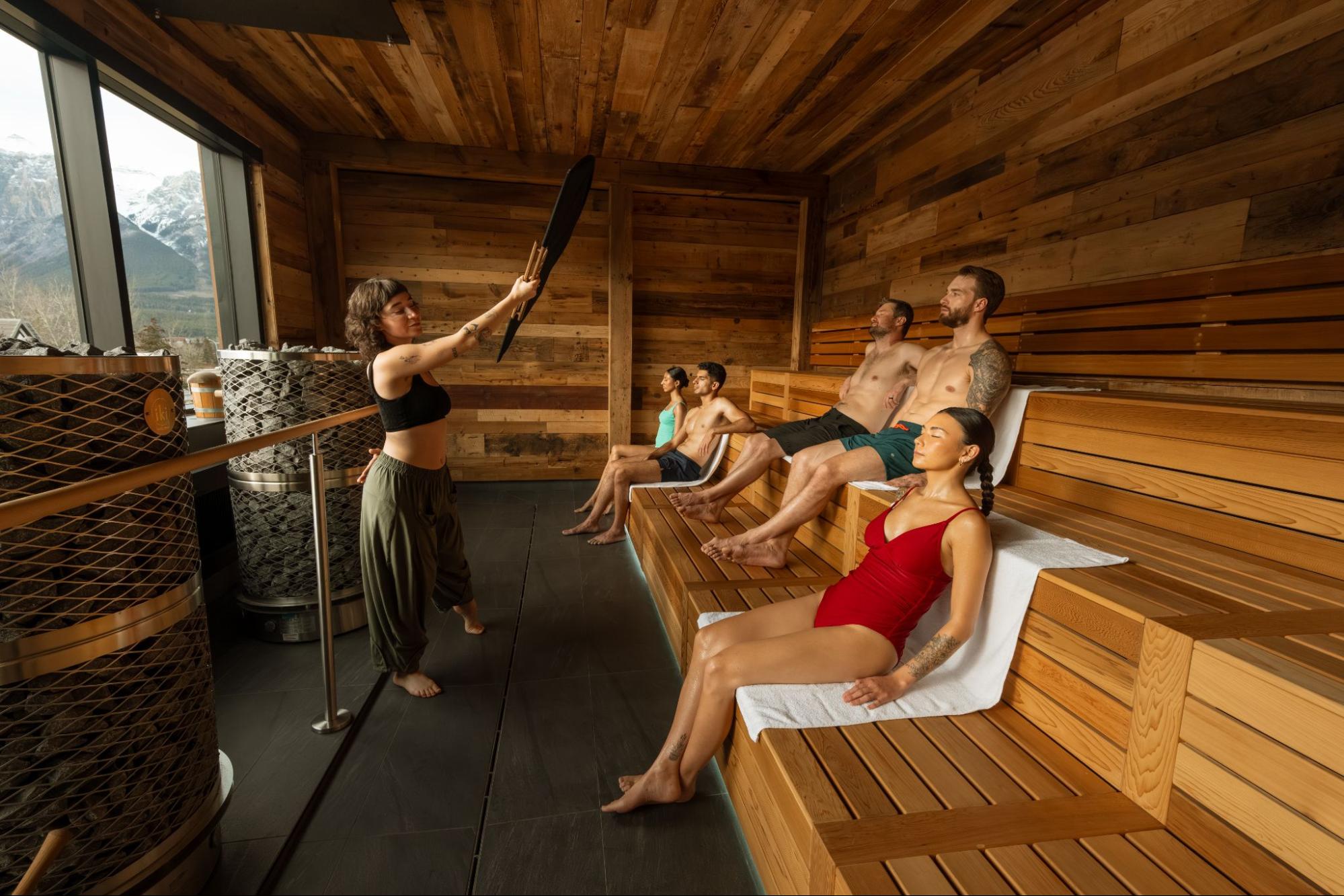
- Sauna heat to relax muscles and increase circulation
• Cold plunge or cold air exposure
• Steam for breath and relaxation
• Quiet rest between experiences
These moments of contrast help the body release the heaviness of winter and prepare for the energy of spring.
Things to Do in Canmore in March for Wellness
March is one of the most underrated months to visit the Bow Valley.
The days are longer, the sun is stronger, and winter activities remain accessible. It’s a time when adventure and recovery naturally go hand in hand.
A wellness-focused day in Canmore might include:
- Morning skiing or snowboarding
• Snowshoeing through forest trails
• Winter hiking along the Bow River
• Afternoon recovery at Everwild Canmore Nordic Spa
• Quiet time watching the mountains shift toward spring
The rhythm of movement outdoors followed by recovery helps the body transition smoothly between seasons.
Start Your Spring Reset
March can feel restless – but it can also be an invitation.
An invitation to move again, to get outside, and to reconnect with the body after the long stillness of winter.
At Everwild Canmore Nordic Spa, the rhythm of heat, cold, and rest offers a space to reset as the seasons shift.
Drift between saunas, steam rooms, hot and cold pools, and quiet relaxation spaces designed to help the nervous system slow down and rebalance.
A few hours of intentional recovery can transform late-winter fatigue into the clarity and energy of a true spring reset.
Sources
Seasonal Affective Disorder (SAD): Symptoms and Causes via Mayo Clinic
Seasonal Affective Disorder via National Institute of Mental Health
Seasonality of Brain Function and Circadian Rhythms via PubMed Central (NIH)
Cardiovascular and Other Health Benefits of Sauna Bathing via Mayo Clinic
Effects of Cold-Water Immersion on Health and Wellbeing via PubMed Central (NIH)
Scientific Evidence-Based Effects of Hydrotherapy via PubMed Central (NIH)