The summer solstice marks the longest day of the year and the official beginning of summer. It is nature’s quiet invitation to step outside, move with intention, and reconnect with your wellbeing.
With longer daylight hours come more opportunities for outdoor movement, fresh air, and deeper connection to the natural world. Whether it is a morning trail walk, a slow hike beneath the trees, or a mindful pause in the sun, time outdoors can become more than a seasonal ritual. It can become a reset.
At Everwild, we believe feeling better by nature is possible. That’s why our spa is designed around the natural landscape, inviting you to move, breathe, notice, and return to what feels real.
Below are five science-supported ways spending time in nature can support your wellbeing.
1. Nature Can Help Lower Cortisol and Support Emotional Wellbeing
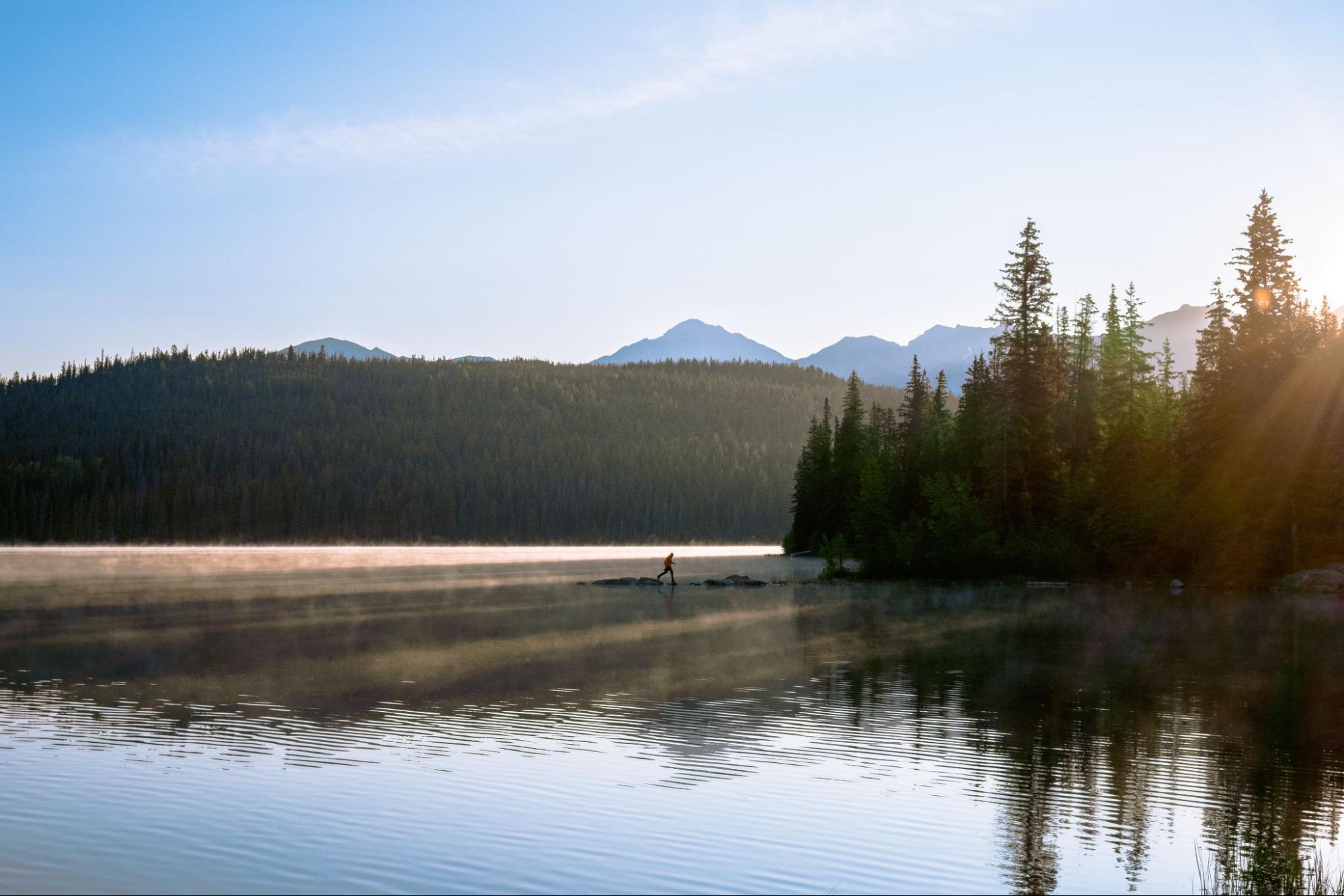
A simple walk outdoors may be one of the most accessible ways to calm the nervous system. Research suggests that spending time in nature, even for about 20 minutes, may help reduce cortisol, a hormone associated with stress, while supporting a greater sense of calm and emotional balance.
The next time the day feels full, let the trail become your pause point. Step outside, breathe deeply, and give your body the chance to soften into the landscape.
For a deeper look at the science behind why nature helps us feel better, read our blog on why nature makes you feel better.
2. Time Outdoors May Support Heart Health
Nature supports the heart in more ways than one. Outdoor movement encourages circulation, strength, and endurance, while natural environments may also help reduce stress and support healthy blood pressure. Studies on nature exposure and health have found associations between time in nature and several wellbeing markers, including blood pressure, mental health, physical activity, and sleep.
The path does not have to be steep to be meaningful. A steady walk, an open sky, and a few uninterrupted minutes outside can help bring the body back into rhythm.
3. Morning Sunlight Can Help Improve Sleep Quality
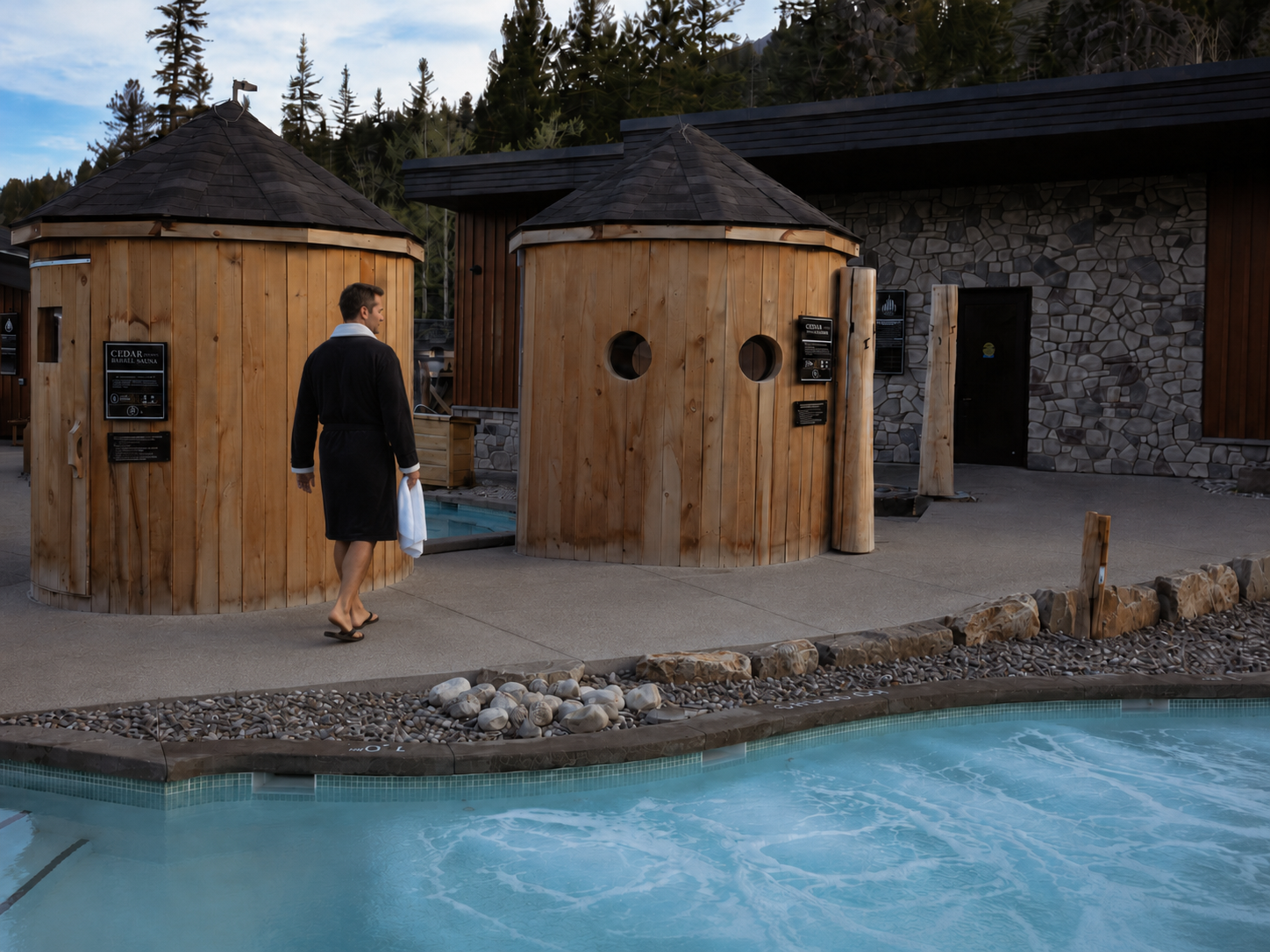
The light we meet in the morning can shape how we rest at night. Exposure to daylight, especially earlier in the day, helps regulate the body’s circadian rhythm, the internal cycle that influences sleep, wakefulness, and energy. Research on light, sleep, and circadian rhythms shows that morning light can help advance the body’s internal clock, while more recent research suggests that early morning sunlight exposure may support healthier sleep patterns.
A sunrise walk, a quiet stretch outdoors, or a few minutes of natural light before the day begins can become a simple ritual for deeper rest.
4. Fresh Air and Forest Environments May Support Immune Health
Spending time outdoors can also support immune wellbeing. Sunlight helps the body maintain healthy vitamin D levels, while research into forest environments suggests that compounds released by trees, often called phytoncides, may support aspects of immune function. Studies on forest bathing have explored how time in forest environments may influence natural killer cell activity, an important part of the body’s immune response.
In other words, the forest is not just scenery. It is alive, active, and quietly working in conversation with the body.
5. Nature Can Help Restore Focus and Creativity
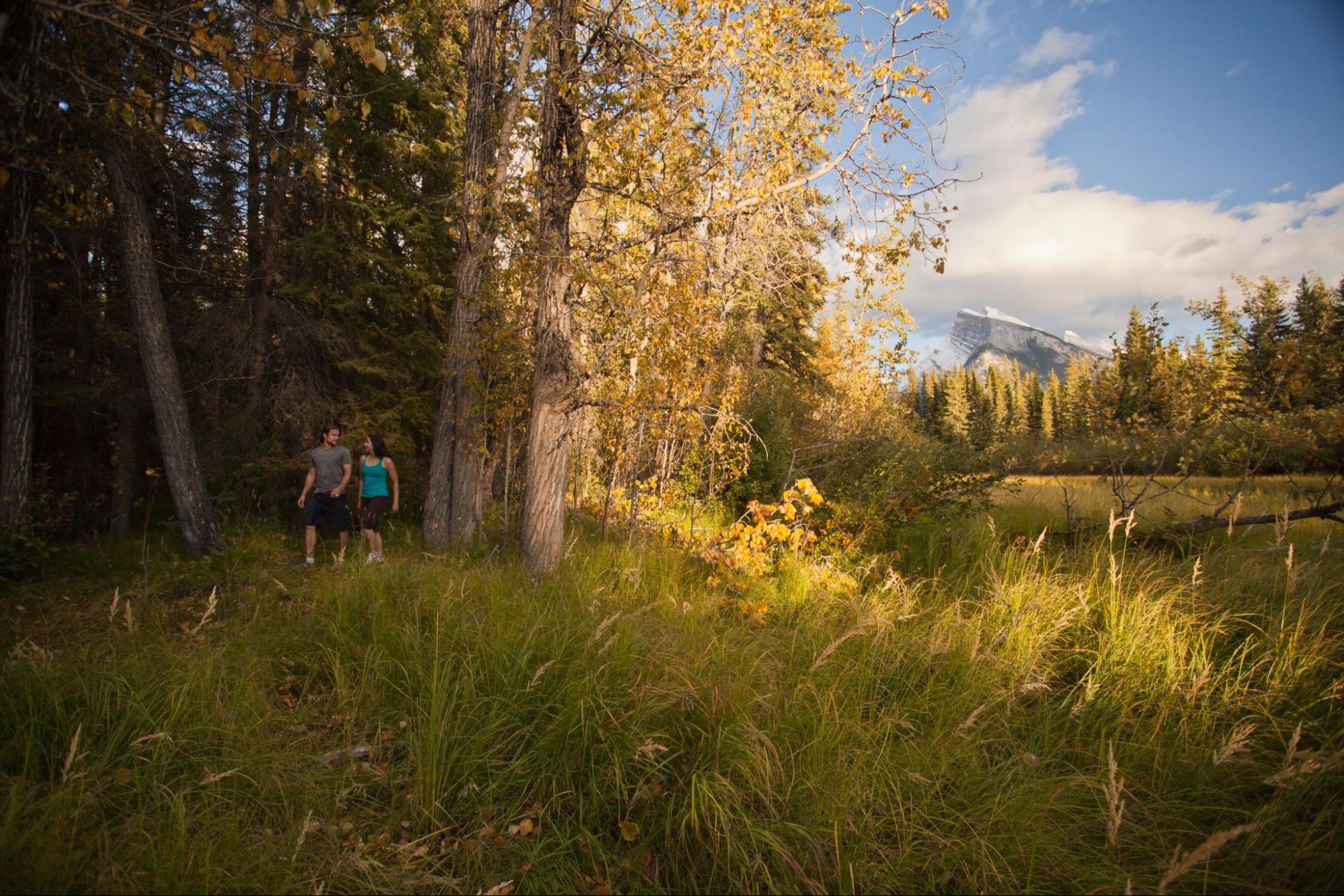
Sometimes the mind needs a wider horizon. Time in nature gives the brain a break from constant stimulation, creating space for attention, creativity, and perspective to return. Research reviewing nature exposure and health has found links between nature exposure and cognitive function, brain activity, mental health, and sleep.
A change of scenery, the sound of wind in the trees, the rhythm of footsteps on a trail — these small sensory shifts can help the mind feel less crowded and more clear. In a world that asks us to move faster, nature reminds us that clarity often comes when we slow down.
Returning to the Trail Mindset
At its core, the trail mindset is simple: spend time outdoors, move with intention, and let the natural world do what it has always done — restore perspective.
The summer solstice is a beautiful reminder that light is not only something we move through. It is something we can listen to. This season, let the longer days guide you back outside, back into your body, and back to the quiet wisdom of the wild.
Sources
A 20-Minute Nature Break Relieves Stress via Harvard Health Publishing
Effects of Light on Human Circadian Rhythms, Sleep and Mood via Somnologie
The Role of Sunlight in Sleep Regulation via Scientific Reports