Every spring, millions of people lose just one hour of sleep when clocks move forward for daylight saving time. This daylight savings time shift is one of the most common causes of short-term sleep disruption. On paper, it doesn’t sound like much. In reality, it can leave people feeling surprisingly exhausted, unfocused, and out of sync for days.
If you’ve noticed groggy mornings, energy crashes, or trouble falling asleep after the time change, you’re not imagining it. Your body is adjusting to a shift in its internal clock.
Here’s why the time change affects sleep so strongly, and how to help your body recalibrate faster.
Why a One-Hour Time Change Can Throw Your Whole Body Off
Losing a single hour shouldn’t feel dramatic, but biologically it can. Research shows that’s because your body runs on a circadian rhythm – a 24-hour internal timing system that regulates sleep, hormones, body temperature, and energy levels.
When clocks move forward, your alarm suddenly prompts your body to wake, eat, and sleep an hour earlier than expected.
This small shift can feel similar to mild jet lag – often called daylight saving jet lag. Your brain hasn’t adjusted yet, so everything feels slightly off mistimed.
Many people experience a short period of adjustment that can include:
- Grogginess or heavy fatigue in the morning
- Afternoon energy crashes
- Irritability or reduced focus
- Difficulty falling asleep earlier at night
- Waking during the night
These symptoms are simply signs that your circadian rhythm is catching up to the new schedule.
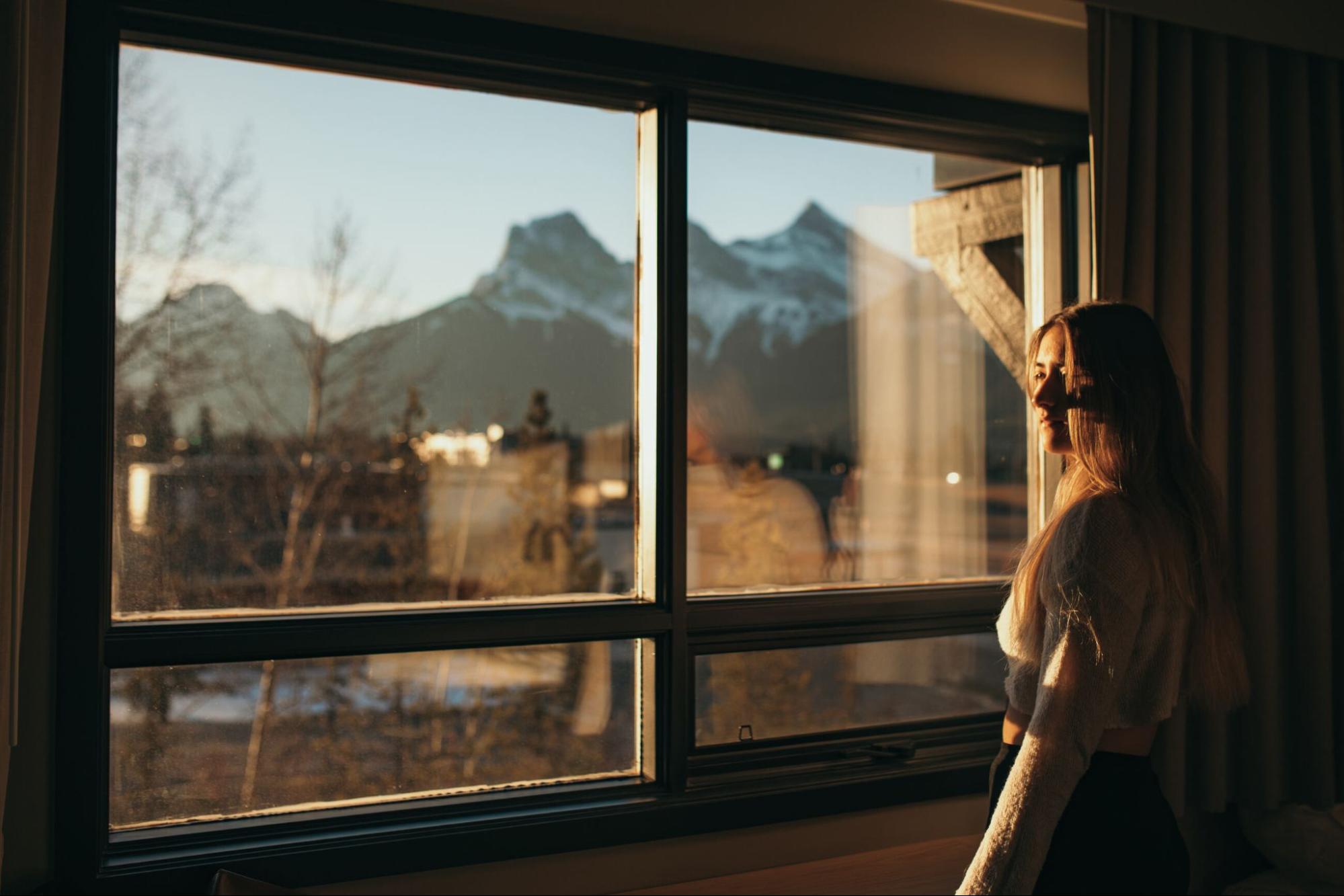
Morning Light: The Fastest Way to Reset Your Body Clock
The most powerful signal for resetting your circadian rhythm is natural morning light. When your eyes receive bright outdoor light within the first hour of waking, several things happen:
- Melatonin production shuts off (the hormone that makes you sleepy)
- Cortisol rises naturally, helping you feel alert
- Your circadian rhythm begins shifting earlier, aligning sleep and energy with the new daylight schedule
Research shows that outdoor light can be 10–100 times brighter than indoor lighting, even on cloudy days. That’s why stepping outside matters more than sitting near a lamp.
How Much Morning Light Do You Need?
Sleep researchers generally recommend:
- 10–20 minutes of outdoor light on sunny days
- 20–40 minutes on cloudy days
- 30–60 minutes if you’re relying on window light indoors
Importantly, you do not need to stare at the sun. Simply being outside and letting daylight reach your eyes is enough.
Simple ways to get it:
- Take a 10–20 minute walk shortly after waking
- Drink your coffee outside or on a balcony
- Step outdoors during your morning commute
Even small doses of consistent morning light can shift the body clock by 15–30 minutes per day, helping you adjust to daylight saving time faster.

Why Evenings Matter
Morning light resets the clock, but evening light can undo that progress. Your brain begins preparing for sleep 2–3 hours before bedtime by releasing melatonin. Bright artificial light, especially blue-spectrum light from screens, can suppress this process.
Studies show that exposure to bright light in the evening can delay melatonin production by up to 90 minutes, pushing your circadian rhythm later and making it harder to fall asleep.
During the week after a time change, protecting your evenings becomes especially important.
Helpful Evening Habits
- Try introducing a few simple signals that tell your body the day is ending:
- Dim household lights after sunset
- Reduce phone, tablet, and laptop use 60–90 minutes before bed
- Avoid intense work or stimulating activity late at night
- Create a consistent wind-down routine
Even small environmental cues, softer lighting, quieter spaces, and slower pacing, help the brain shift toward sleep mode.

How Heat and Relaxation Help the Nervous System Reset
Sleep isn’t only about circadian timing. It also depends on the state of your nervous system.
When the body remains in a sympathetic (“alert”) state from stress, stimulation, or constant activity, it becomes harder to transition into sleep.
Relaxation rituals help shift the body toward the parasympathetic nervous system, which supports recovery, digestion, and rest.

Why Warmth Helps
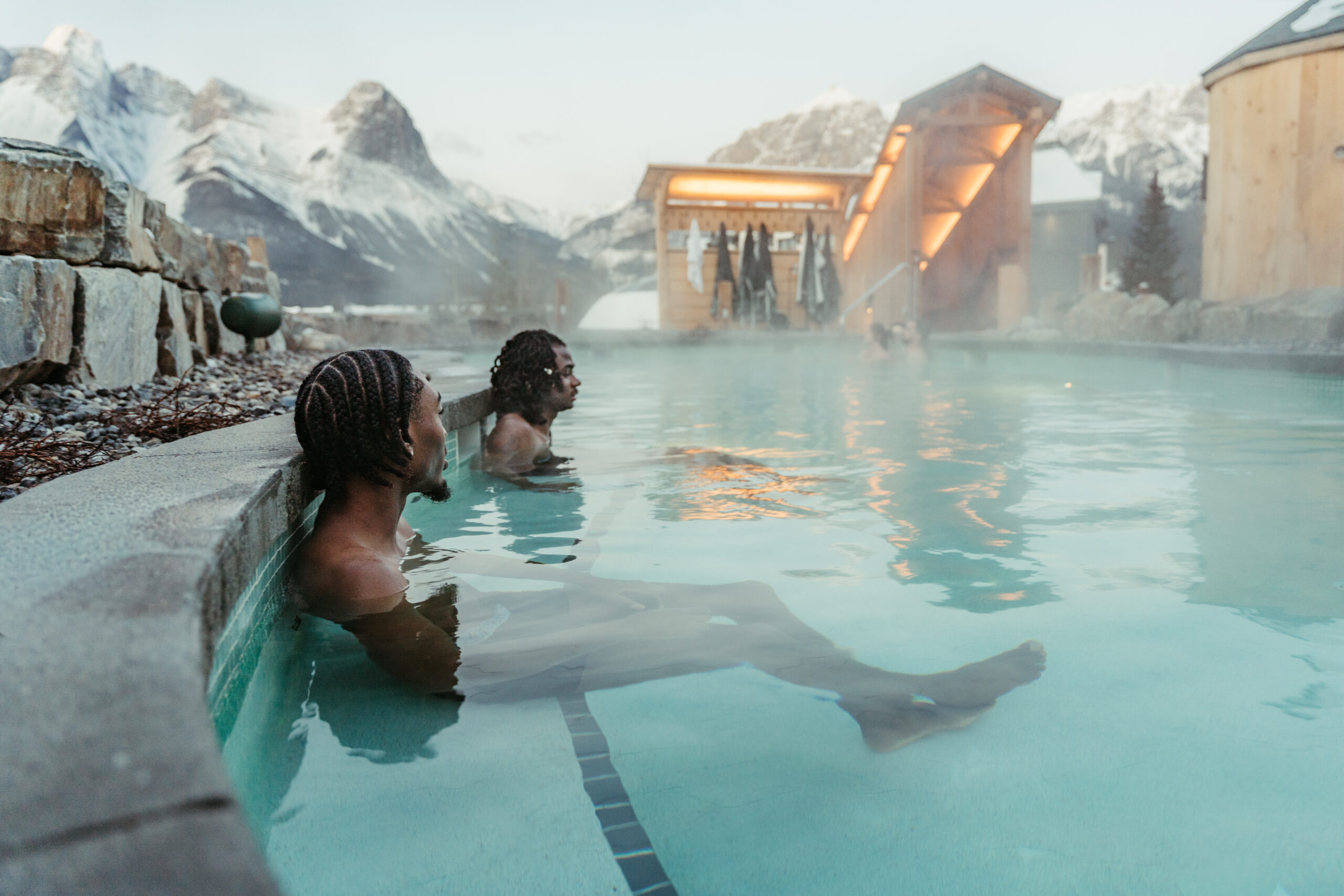
Warm environments — like baths, saunas, or heated pools — support sleep in several ways:
- Muscle relaxation reduces physical tension
- Circulation increases, helping the body release heat afterward
- Core body temperature drops after warming, which is a natural signal for sleep onset
Research suggests that passive body heating 60–90 minutes before bed can help people fall asleep faster and improve overall sleep quality.
Equally important is the environment around the ritual. Experiences that combine warm water, calm surroundings, and nature can be especially effective for signaling that the day is ending.
At Everwild, the thermal circuit is designed around this same rhythm of heat, cold, and rest, allowing the body to gradually move from activation toward rest and recovery.
A Simple 5-Day Reset Plan
If your sleep feels disrupted after the time change, a few small adjustments can help your body adjust to daylight saving time faster.
Day 1-2:
- Get natural light within 30 minutes of waking
- Consume caffeine earlier in the day, rather than in the afternoon
- Aim for a slightly earlier bedtime
Day 3-4
- Maintain a consistent wake time
- Reduce screens and bright lighting in the evening
- Introduce a relaxing wind-down ritual
Day 5
- Your body should start feeling more synchronized
- Energy levels stabilize
- Falling asleep becomes easier
When Your Body Should Feel Normal Again
For most people, circadian rhythms stabilize within about a week after the time change.
You’ll know your body has adjusted when:
- You wake up feeling more alert in the morning
- Afternoon energy crashes lessen
- You feel naturally sleepy at night again
- Falling asleep becomes easier
These signals indicate that your hormones, light exposure, and internal timing have realigned with the new schedule.
While the time change can temporarily disrupt sleep, the body is remarkably adaptable. With the right cues – light in the morning, calm in the evening, and consistent routines – your rhythm will find its way back to balance.
Sources
Daylight saving time: an American Academy of Sleep Medicine position statement via PubMed Central (NIH)
Effects of light on human circadian rhythms, sleep and mood via PubMed Central (NIH)
Exposure to room light before bedtime suppresses melatonin onset and shortens melatonin duration via PubMed Central (NIH)
7 Things to Know About Daylight Saving Time via Johns Hopkins Bloomberg School of Public Health
How Light Affects Sleep via Harvard Medical School Division of Sleep Medicine